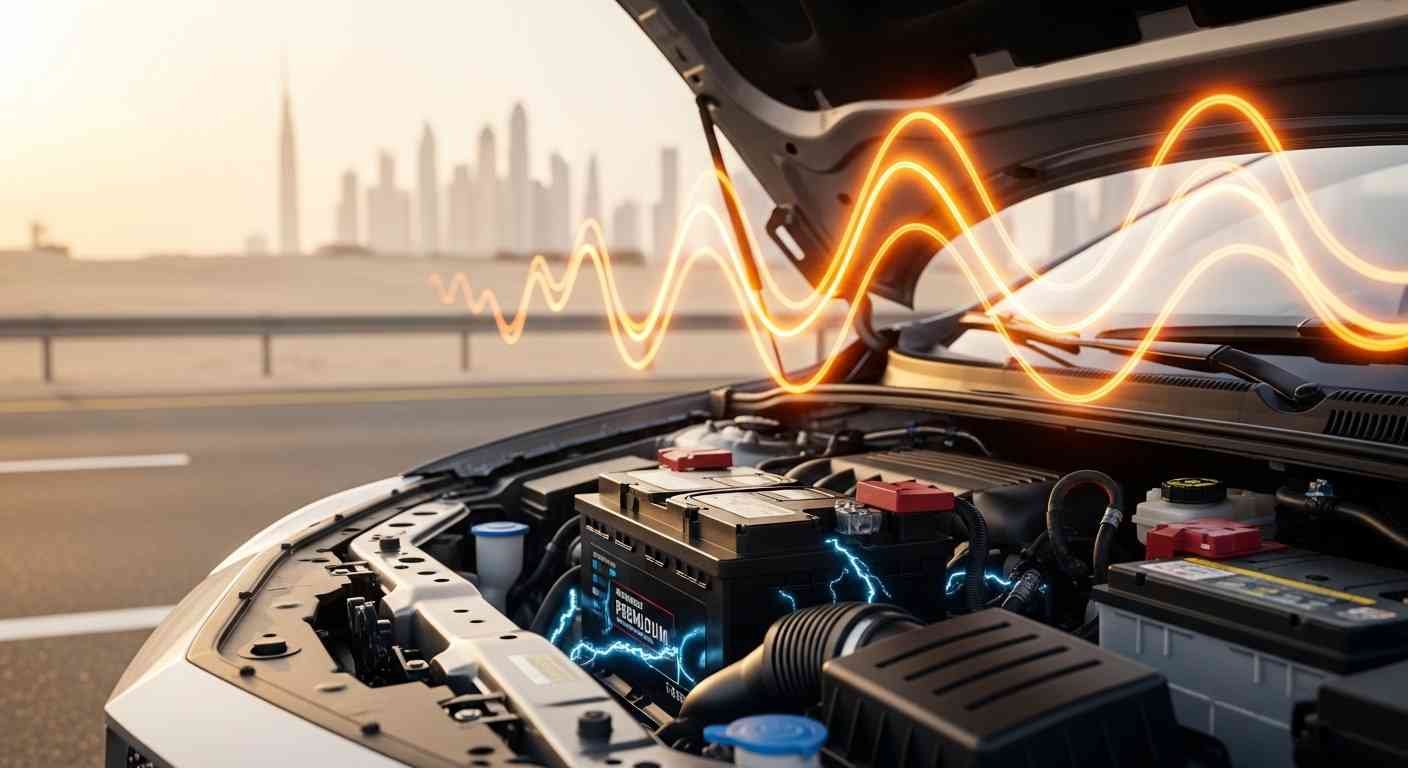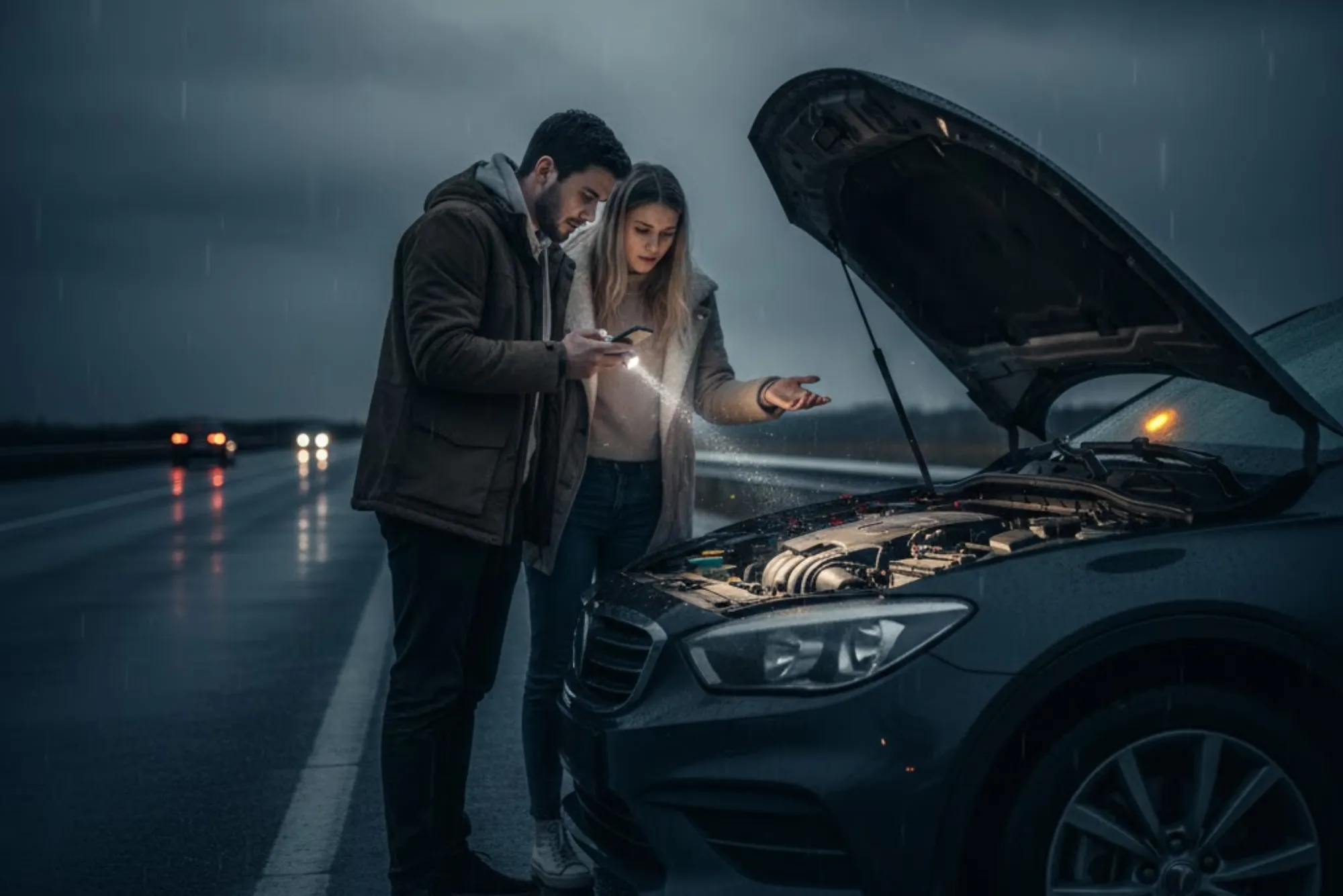
Sometimes a vehicle that felt fine moments earlier may suddenly refuse to start without any response from the engine. This type of failure occurs due to battery issues or complete failure.
The power loss often builds quietly due to hidden reasons that remain unnoticed. Internal wear, charging issues or usage habits gradually weaken the battery until it stops functioning all at once.
Understanding the reasons behind sudden battery failure and knowing how to respond helps reduce delays, stress and risky roadside situations with support from Dial A Battery.
Why Does a Car Battery Fail?
Even when it feels unexpected, a battery usually shows small signs before it stops working or gets affected by harsh engine heat. Understanding these causes helps you stay prepared and avoid sudden problems.
1. Natural Battery Aging And Reduced Capacity
Every car battery works for a limited period before its internal parts begin to wear down and lose strength. This drop in power rarely feels slow to the driver as a battery may seem fine one day and stop working the next.
As the internal chemicals weaken, the battery holds less charge and drains faster. Most car batteries last around three to five years and post that, the battery often struggles to deliver enough power especially after the car sits unused for a few days.
2. Extreme Temperatures
Extreme heat is the primary threat to car battery performance in Qatar. Prolonged high temperatures accelerate internal chemical reactions, causing faster wear of battery components and evaporation of essential fluids. Over time, this leads to reduced capacity and a much shorter battery lifespan.
While colder temperatures are rare in Qatar, even mild winter mornings can expose a weakened battery. A battery already stressed by months of intense heat may fail suddenly after being parked outdoors for hours. This is why car batteries in Qatar often stop working without warning—heat damage builds silently until the battery can no longer deliver the power needed to start the engine.
3. Corrosion On Terminals Or Loose Connections
Battery power travels through metal terminals and cables and when corrosion builds up then that flow gets blocked. White or green residue around the terminals interrupt power even if the battery itself still holds charge.
Loose connections create similar trouble.
The result feels like total battery failure even though the real problem lies outside the battery case. This issue often appears without notice and worsens with vibration and heat.
4. Faulty Alternator Or Electrical System Issues
Your battery doesn’t work alone as it relies on the alternator to stay powered up while you drive. If the alternator is weak then it won’t keep up the energy used to start the car.
Also, the lights, screens and sensors will keep pulling the power and by the time the car is parked, the battery may already be empty. Electrical faults also pull power even when the car is off. These hidden drains are difficult to notice without testing, making sudden breakdowns more likely.
5. Short Drives Or Irregular Usage
Batteries need time to recharge and when you start the engine then a massive amount of power is pulled. It takes about fifteen to twenty minutes of driving for the alternator to put that energy back.
If you only take five-minute trips to the corner store then the battery stays in a constant state of discharge.
Cars left unused for long periods face similar trouble as the battery loses charge naturally even when parked. Irregular use creates a cycle where the battery never reaches full strength and this makes sudden failure more common.
Steps To Take During Sudden Car Battery Failure
Getting stuck with a dead battery feels stressful but a clear plan helps you stay calm. Here is how to deal with sudden battery trouble-
- Don’t panic; check for dashboard lights and noises
Start by looking at the dashboard to see if any warning lights appear. A glowing battery symbol usually points to battery failure. Next, listen to what happens when you turn the key.
Complete silence usually points to battery trouble while faint noises suggest low charge. Knowing these signs will help you explain the issue to an automotive battery service technician later.
- Attempt a jump start safely
If jumper cables and another vehicle are available then a jump start may help. Connect the cables carefully, following proper order to avoid sparks or damage. Once connected, allow a few minutes for power transfer before trying to start the engine.
If the car starts then keep it running for a while to build some charge. If it fails again soon after then the battery may be near the end of its life.
- Call roadside assistance or battery service provider
When a jump start does not work or tools are unavailable then professional help becomes the safest choice. Mobile services save time and reduce risk especially in traffic or extreme weather.
Services like Dial A Battery are built for this exact moment. They bring the shop to you and test the battery on the spot. Drivers in Qatar prefer quick car battery replacement Doha services that reach them wherever the vehicle stops.
- Avoid repeated start attempts to prevent further damage
One mistake people make is trying to start the car over and over again. Turning the key again and again drains remaining power and stresses electrical parts. Repeated attempts damage the starter motor and wiring. After one or two tries, pause and wait for assistance.
Preventive Measures To Avoid Sudden Battery Failure
You can avoid these problems of battery with little attentiveness and regular battery checks to catch problems before they grow serious.
- Test battery voltage and charging performance regularly
- Clean battery terminals to remove corrosion that blocks proper power flow
- Tighten battery cables to avoid sudden power loss
- Balance frequent short trips with occasional longer journeys to restore lost charge
- Start the vehicle at least once a week if it stays unused for long periods
- Switch off lights, screens and accessories before turning the engine off to reduce start-up strain
- Inspect the alternator and electrical system during routine servicing
- Park in shaded areas to reduce heat exposure
- Use covered parking in colder conditions to protect battery performance
- Choose a car battery that suits the vehicle type and local climate
- Replace the battery through professional installation to avoid connection or charging issues
- Rely on Dial A Battery for testing, expert advice and quick on-site installation
Conclusion
Sudden car battery failure feels frustrating but it rarely happens without reason. Aging parts, temperature stress, hidden electrical issues and daily driving habits all play a role.
Knowing how to respond during a breakdown keeps the situation under control and avoids extra damage. Taking simple preventive steps reduces risk and builds confidence on the road.
When expert help is needed, a reliable car battery service like Dial-A-Battery makes all the difference. Dial-A-Battery supports drivers with fast checks, dependable replacements and practical solutions that keep cars moving without unnecessary delays.