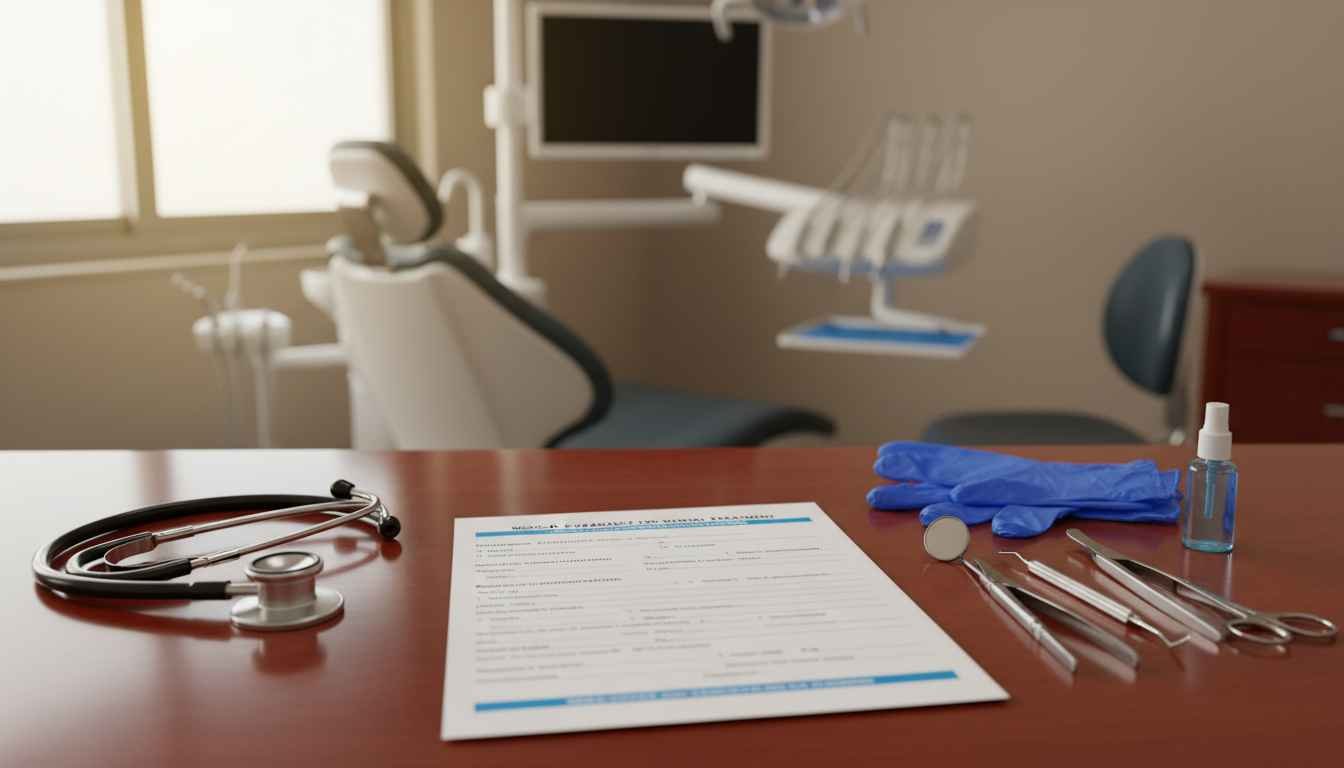
The clock is ticking. You’ve finally scheduled that long-awaited dental procedure, but there’s one step standing between you and the dentist’s chair: the medical clearance for dental treatment form. While it might seem like just another piece of paperwork, this form is a crucial safeguard, ensuring that your body is ready to handle dental interventions safely. Understanding its importance and how to navigate it can save time, reduce anxiety, and even prevent serious complications.
At its core, the medical clearance form is a comprehensive snapshot of your health. Dentists rely on this information to determine if you’re fit for treatment, particularly if the procedure involves anesthesia, surgery, or complex interventions like implant placement. It’s not just about ticking boxes – your doctor’s insights can prevent risks like excessive bleeding, adverse reactions, or infections.
Filling out the form often requires a deep dive into your medical history. Details such as heart conditions, diabetes, hypertension, allergies, and ongoing medications are typically requested. Your physician will evaluate these factors and may provide recommendations or adjustments to your treatment plan. It’s like creating a roadmap: the clearer and more accurate the details, the smoother your dental journey.
Generic medicine access can play a role in easing the process. For instance, patients needing pre-treatment medications – like antibiotics or anti-inflammatories – can find cost-effective options at Medkart. This ensures that even if you’re on a tight budget, safety is never compromised. Medkart offers WHO-GMP certified generics, making it a reliable choice for pre-procedure needs.
Why Medical Clearance Matters
Imagine a dentist about to perform a root canal or extraction without knowing you have a bleeding disorder. The consequences could be severe. The medical clearance form serves as a risk management tool, providing a clear picture of potential complications. It also establishes communication between your dentist and physician, ensuring everyone involved in your care is on the same page. This coordination is especially critical for patients with chronic illnesses, those on blood thinners, or those with compromised immunity.
Another reason for its importance lies in legal and ethical responsibility. Dental practitioners are obliged to ensure patient safety. Without documented medical clearance, any adverse event could expose both the patient and the clinic to avoidable complications and legal issues. In this sense, the form is more than bureaucracy – it’s protection for both parties.
Step-by-Step Guide to Completing the Form
Though the specifics may vary depending on your dentist or medical facility, most forms follow a similar structure. Here’s a simplified roadmap:
1. Personal Information
Provide your full name, date of birth, contact details, and emergency contact. Accuracy is key, especially if medications or health instructions need to be communicated quickly.
2. Medical History
List all known health conditions, past surgeries, chronic illnesses, and any current medications. Don’t leave anything out – even minor conditions like seasonal allergies can be relevant if medications or anesthesia are involved.
As you prepare for your dental appointment and navigate the intricacies of the medical clearance form, it’s equally important to consider how your overall health management is interconnected with other medical services. For instance, once your dental treatment is underway, accessing your medical imaging results can be a crucial part of your ongoing healthcare journey. This is where platforms like the lake medical imaging patient portal login come into play, allowing you to effortlessly view and manage your imaging reports. Such resources not only enhance your understanding of your health status but also facilitate better communication with your healthcare providers, ensuring that all aspects of your medical care are aligned and effectively coordinated. In an era where patient empowerment is paramount, leveraging these digital tools can significantly contribute to a smoother and more informed healthcare experience.
3. Lifestyle Factors
Include habits such as smoking, alcohol consumption, and exercise routines. These can influence healing times and anesthesia requirements.
4. Physician Evaluation
Your doctor will review your health data, possibly run tests, and provide a professional assessment. They may include recommendations for pre-treatment adjustments.
5. Signature and Consent
Both patient and physician signatures validate the form, confirming that the information is accurate and that you are medically cleared for the dental procedure.
Who Should Avoid This? Potential Drawbacks
While medical clearance is beneficial for nearly everyone, certain circumstances may require extra caution. Patients with unstable cardiac conditions, uncontrolled diabetes, or severe immune deficiencies might not be cleared immediately. In such cases, the form can highlight risks, but it may also delay treatment until conditions are stabilized. For others, unnecessary testing or redundant paperwork can be frustrating, but these minor inconveniences are far outweighed by the safety benefits.
Troubleshooting Common Issues
| Problem | Solution |
|---|---|
| Delayed form approval | Follow up directly with your physician’s office and ensure all sections are completed accurately. |
| Missing medical history details | Keep an up-to-date personal health record to streamline future clearances. |
| Conflicting medication advice | Ask both your dentist and physician to coordinate, ensuring no contraindications exist. |
| High costs for pre-procedure medications | Check for generic alternatives at reputable pharmacies like Medkart to save money without compromising safety. |
| Unclear instructions for follow-up | Request written guidance or digital resources from your healthcare provider for clarity and reference. |
Expert Tips for a Smooth Process
1. **Plan Ahead:** Complete the form at least a week before your appointment to allow time for any required tests or adjustments.
2. **Communicate Clearly:** Be honest about your health history; omissions can lead to complications.
3. **Coordinate Care:** If you’re seeing multiple healthcare providers, ensure all relevant information is shared.
4. **Keep Copies:** Maintain a digital and physical copy of the clearance form for emergencies or future dental visits.
The Bottom Line
Medical clearance for dental treatment forms are more than formalities – they’re essential tools to safeguard your health. From ensuring safe anesthesia administration to preventing post-procedure complications, they bridge the gap between dentistry and general healthcare. With careful preparation, clear communication, and cost-effective solutions for medications via platforms like Medkart, the process can be seamless and stress-free. Think of it as investing a little time and effort upfront to guarantee smooth sailing in the dentist’s chair.