
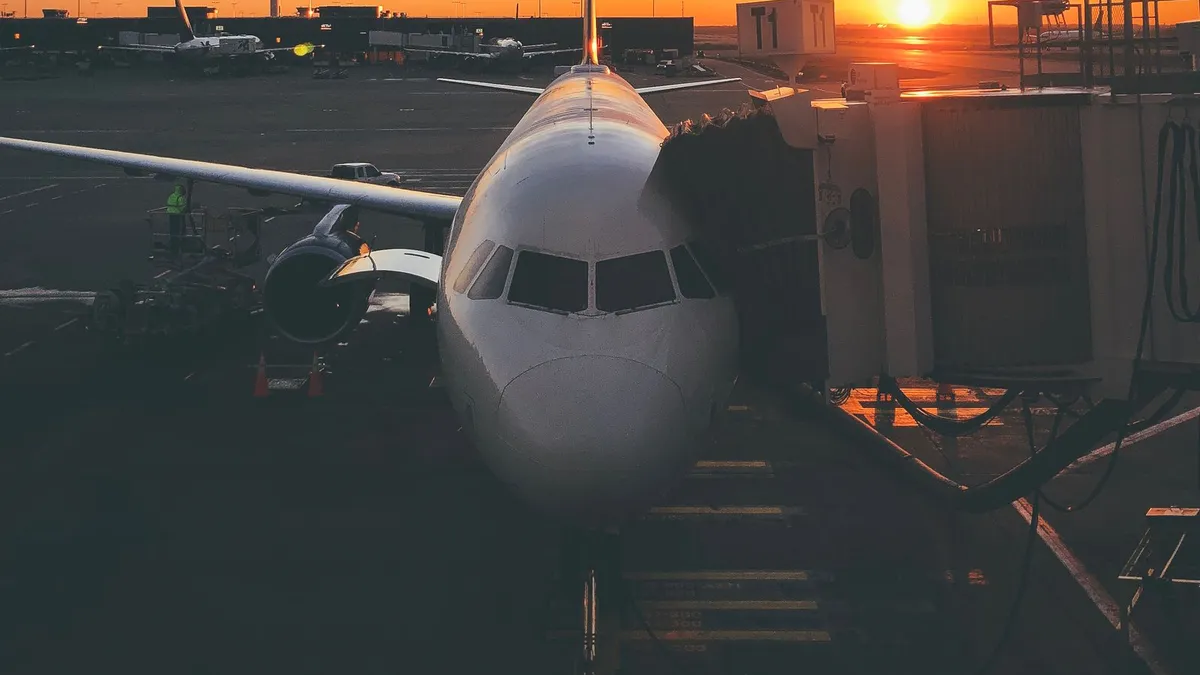
An aircraft turnaround starts the moment wheels stop at the stand. How aircraft turnarounds work becomes clear once you watch the ground below the cabin windows. Teams arrive from several directions at once, and each team owns one job. One group handles bags. Another group cleans the cabin. A third group checks fuel, water, and safety gear. This guide offers an aircraft turnaround explained as a timed sequence of parallel jobs, not as one job after another. Aircraft turnaround time, therefore, covers the full gap between arrival and the next departure. Aircraft servicing on the ground fills almost every minute of that gap.
Passengers see only a small slice of this work. They notice cleaning crews, catering carts, and bags moving on belts. They rarely see fuel checks, water servicing, waste servicing, or the final safety walk. The sequence below, similarly, shows how these jobs overlap. No single job waits politely for another job to finish. Crews work side by side, and a supervisor tracks each job against the departure plan. A late bag, for example, can hold up boarding. A late fuel check, in contrast, can hold up pushback. Small slips add up fast, and the rest of this guide explains why.
What Is an Aircraft Turnaround?
A turnaround covers every ground job between one arrival and the next departure. The aircraft lands, taxis to a stand, and stops with brakes set. Ground teams then prepare the same aircraft for a fresh set of passengers. The work, however, differs from a simple pause between flights. Teams clean, refuel, restock, unload, reload, and inspect the aircraft in parallel. The cabin crew changes over, or the same crew prepares for the next sector. The flight crew reviews the next route, weather, and fuel plan. Meanwhile, dispatchers and gate staff update the departure plan as jobs finish.
The clock matters, yet no single clock time fits every flight. Aircraft size, airport layout, passenger numbers, and cargo loads all shape the gap. A small aircraft with few bags needs less ground time than a large aircraft with containers, catering, and many passengers. Airport rules, staffing levels, and weather also shape the plan. Therefore, planners treat each turnaround as its own schedule, not as a fixed template. They sequence jobs, assign teams, and build slack for small slips. The goal stays simple: send the next flight out safely, completely serviced, and ready for its passengers.
The Turnaround Sequence in Order
The table below shows the broad order of work. Jobs overlap heavily, so the phases describe emphasis, not strict separation. Early jobs unlock later jobs. Cleaning, for example, must finish before boarding starts. Fuel checks, similarly, must finish before the final safety review. Use the table as a map, then read each section for detail.
| Phase | Main jobs | Teams in focus |
|---|---|---|
| Arrival | Chocks, power, walk-around, door opening | Ramp team and flight crew |
| Unloading | Passengers leave, bags unload, cabin clears | Gate staff and baggage crews |
| Servicing | Cleaning, fuel, water, waste, catering | Cleaning, fuel, catering crews |
| Loading | Bags load, cargo loads, cabin restocks | Load planners and ramp crews |
| Boarding | Passengers board, cabin checks, doors close | Cabin crew and gate staff |
| Departure | Pushback, engine start, taxi clearance | Flight crew and tug driver |
How Does Arrival Set Up the Turnaround?
Arrival sets the tone for the whole turnaround. A marshaller or guidance system directs the aircraft onto its stand markings. The pilot stops on the mark, sets the brakes, and shuts down engines as local rules require. Ground staff then place chocks at the wheels, connect ground power, and open the doors. The flight crew, meanwhile, hands over arrival details and flags any faults from the inbound flight. That handover matters. A fault found early gives engineers time to act. A fault found late, in contrast, can stall the whole sequence.
Staff also check the stand area before vehicles move in. They look for debris, spills, and stray equipment near the aircraft. Drivers follow marked routes, approach slowly, and park only in safe zones. The ramp supervisor, therefore, controls vehicle movement around the aircraft. No vehicle approaches an engine intake or a moving control surface without clearance. How airports handle arrivals and departures shapes these stand rules, and each airport adapts them to its own layout. Clear arrival discipline, as a result, protects people, equipment, and the departure plan.
Why Does the First Walk-Around Matter?
The first walk-around gives crews an early read on aircraft condition. An engineer or trained ramp staff member circles the aircraft and looks closely. They check tyres, brakes, panels, antennas, and visible damage. They check fluid leaks under engines and around service panels. Door, hatch, and access panel positions also need a check. A dent, a leak, or a loose panel needs a decision fast. Engineers, for example, may clear a minor mark for flight. They may, however, ground the aircraft for a closer check.
Walk-around findings feed straight into the turnaround plan. A minor fault may need a part, a tool, or extra hands. A serious fault may need a swap to another aircraft. The supervisor, therefore, weighs each finding against the departure time. Teams adjust job order, call extra staff, or warn gate staff early. Early news, similarly, lets passengers hear about a delay sooner. Late news helps nobody, and it squeezes every later job.
How Do Passengers Leave and Crews Change Over?
Disembarkation starts the cabin reset. Passengers collect belongings, check seat pockets, and file toward the doors. Cabin crew guide the flow, help with bags, and watch for items left behind. Gate staff, meanwhile, confirm arrival details and prepare the next boarding plan. The cabin empties in waves, not in one rush. Families, passengers with reduced mobility, and connecting passengers often need extra help. Crew members, for example, assist with wheelchairs, strollers, and carry-on bags.
Crew changeover follows a clear pattern. Outgoing cabin crew report cabin faults, low supplies, and passenger issues. Incoming crew, similarly, receive the cabin brief and check their assigned zones. They confirm safety equipment, seat counts, and service supplies. The flight crew may change too, or the same pilots may fly onward. A new crew, however, needs time to review the route, weather, and aircraft status. How airlines plan routes and fleets decides crew patterns, and turnaround planners fit ground jobs around them. Smooth handover, as a result, keeps cabin preparation on track.
What Happens During Plane Cleaning Between Flights?
Plane cleaning between flights covers the cabin, galleys, and toilets in a tight window. Cleaners enter once passengers leave, and they work row by row. They collect rubbish, clear seat pockets, and wipe tray tables and armrests. They straighten seat belts, adjust headrest covers, and check under seats. Galley crews, meanwhile, clear old service items and wipe work surfaces. Toilet crews restock supplies, clean surfaces, and check flushes. The work sounds simple, yet pace and order decide its quality.
Cleaners prioritise visible areas first, then move to deeper checks. They scan for lost property, damage, and spills. They report torn seats, faulty lights, and broken tray tables. Cabin crew, similarly, follow behind and inspect each zone before boarding. A missed spill, for example, can upset a passenger and slow boarding. A faulty seat belt, in contrast, needs a fix or a seat block. Therefore, cleaning teams and cabin crew share one standard: the next passenger should find a clean, tidy, working seat. That standard, as a result, shapes every pass through the cabin.
How Does Baggage Loading Work During a Turnaround?
Baggage work runs in two directions at once. Inbound bags leave the holds first, and outbound bags enter the holds after sorting. Ramp crews open hold doors, position belt loaders, and unload bags onto carts or containers. They scan or count bags, check tags, and send bags toward reclaim or transfer routes. Transfer bags, however, need extra care. Crews must match each transfer bag to its onward flight, and a wrong routing can strand a bag. Baggage loading turnaround teams, therefore, check load plans closely before they close a hold.
Outbound loading follows the load plan, not guesswork. Load planners decide hold order, weight balance, and container positions. Ramp crews load heavy items low, secure containers, and spread weight as the plan directs. They also load special items, such as wheelchairs, sports gear, and live cargo, only as the plan allows. How airport baggage systems move checked bags explains the sorting journey before bags reach the stand. Final hold checks, similarly, confirm counts, locks, and door seals. A sealed hold, as a result, signals one job complete, not the whole turnaround.
How Does the Aircraft Refuelling Process Work?
The aircraft refuelling process starts with a fuel figure, not a hose. Dispatchers and flight crew agree the fuel load for the next route, weather, and alternate airport. Ground fuel staff then deliver that load through a hydrant pit or a tanker, as local systems allow. They bond the aircraft and the fuel equipment, connect the hose, and monitor flow closely. Fuel staff, meanwhile, watch gauges, check for leaks, and follow strict no-smoking and no-spark rules. Safety zones stay clear, and only trained staff handle fuel connections.
Refuelling rarely happens in isolation. Passengers may board during fuel stops at some airports, and crews then follow extra safety rules. Cabin crew stay ready, doors stay usable, and announcements cover safety steps. At other airports, however, fuel work finishes before boarding starts. Local rules, aircraft type, and airline policy decide the order. The flight crew, therefore, confirms the final fuel figure before departure. They compare the loaded figure with the planned figure, and they sign off the record. A mismatch, for example, needs a recount before pushback. Fuel accuracy, as a result, underpins range, weight, and safety.
What Happens During Aircraft Catering Loading?
Aircraft catering loading moves meals, drinks, and service supplies onto the aircraft. Catering trucks lift to galley doors, and crews load carts, trays, and boxes in a set order. They match each cart to its galley position, check seals, and count items against the load sheet. Galley crews, meanwhile, stow carts, secure latches, and check ovens, coffee makers, and chilled storage. Special meals need careful placement, and crews confirm each special meal sits in its planned spot. A missing cart, for example, can force a service change mid-flight.
As we explore the intricate choreography of aircraft turnarounds, it’s fascinating to draw parallels with other modes of transportation that rely on meticulous timing and coordination. Just as ground crews execute a well-orchestrated routine to prepare an aircraft for its next journey, high-speed rail systems operate on similarly rigorous principles. The efficiency of these rail networks hinges on dedicated lines, advanced signaling, and innovative vehicle designs that maximize speed and safety. Understanding how high-speed rail works reveals the complexity behind rapid transit and showcases the technological advancements that enhance passenger experience, making it an essential counterpart to air travel in today’s interconnected world.
Catering teams also remove old stock from the inbound flight. They take off used carts, rubbish, and leftover service items. They check expiry dates, temperatures, and storage conditions as local food rules require. Cabin crew, similarly, verify counts and report shortfalls before boarding. How in-flight services are prepared in the cabin shows why galley order matters once service starts. The loading sequence, therefore, balances speed with accuracy. Crews load fast, yet they check each cart. A rushed load, in contrast, creates errors that cabin crew must fix later.
How Does Aircraft Water and Waste Servicing Work?
Aircraft water and waste servicing keeps toilets, sinks, and galleys working. Service vehicles connect to water fill points and top up potable water tanks. Crews check water quality steps, tank levels, and tap flow. Waste vehicles, meanwhile, drain toilet tanks through sealed service panels. They flush, rinse, and add servicing fluid as the aircraft type requires. Staff wear protective gear, follow hygiene rules, and keep waste lines clear of other service areas. The jobs, however, must stay separate from catering and water work. Cross-contamination risks, therefore, shape vehicle routes and staff routines.
Water and waste checks also feed the cabin readiness review. Cabin crew test taps, flush toilets, and check galley water supply. They report low pressure, odours, or faulty flushes at once. Engineers, for example, may reset a valve or swap a part. They may, however, block a toilet for the next flight if a fix needs more time. Passengers rarely notice this work, and that silence marks success. Clean water, working toilets, and clear galley drains, as a result, form a quiet part of every turnaround.
What Aircraft Safety Checks Happen Between Flights?
Aircraft safety checks between flights cover the cabin, cockpit, and outer surfaces. Cabin crew check seat belts, life jackets, oxygen masks, fire extinguishers, and emergency exits. They confirm exit signs, floor lighting, and safety cards sit in place. They test doors, check slide indicators, and confirm that aisles stay clear. Flight crew, meanwhile, review cockpit systems, instruments, and warning displays. They run pre-flight checks, confirm navigation data, and test radios. Engineers, similarly, review fault logs and clear or carry forward each item.
Safety checks also cover cargo, fuel, and weight figures. Load planners confirm the final load sheet matches the aircraft actually loaded. They check passenger counts, bag counts, and cargo weights. The flight crew, therefore, reviews the load sheet before doors close. They compare centre-of-gravity figures with safe limits, and they query any mismatch. A wrong figure, for example, needs a recount or a reload. A missed check, in contrast, can affect takeoff performance. Therefore, safety checks form a gate, not a formality. No aircraft leaves until each check passes.
How Are Planes Boarded for the Next Flight?
How planes are boarded depends on gate layout, aircraft size, and passenger mix. Gate staff call boarding in groups, and cabin crew receive passengers at the door. They check boarding passes, direct passengers to seats, and help with carry-on stowage. Families, passengers with reduced mobility, and unaccompanied minors often board with extra support. Overhead bins fill fast, and crew members redistribute bags to balance the cabin. Gate staff, meanwhile, track counts, watch for missing passengers, and update the load record.
Boarding pace shapes the departure time directly. Slow boarding, for example, can push back every later job. Missing passengers, however, create a harder choice. Staff must search, call, and decide whether to offload bags for a no-show passenger. Airport security and boarding procedures explain the checks that happen before passengers reach the gate. Cabin crew, similarly, complete final cabin checks once boarding ends. They confirm seat belts, exits, and galley security. Doors close only after counts match, and that match, as a result, triggers the departure sequence.
How Does Aircraft Pushback Work?
Aircraft pushback explained in simple terms means towing the aircraft backwards off its stand. Most aircraft cannot reverse safely under their own power at a gate. A tug, therefore, connects to the nose gear with a towbar, or grips the nose gear directly. The tug driver, ground crew, and flight crew agree signals, headset contact, and the pushback route. Wing walkers, meanwhile, watch wingtips, engines, and nearby vehicles. They stop the move at once if anything enters the path. Clear communication, for example, prevents damage to aircraft, vehicles, and stand equipment.
Pushback ends with engine start and taxi clearance. The tug disconnects, ground crew step clear, and the flight crew starts engines in the agreed order. How air traffic control sequences departures governs the taxi route after pushback. The flight crew, similarly, confirms brakes, steering, and engine readings before taxi. A fault during pushback, however, can send the aircraft back to the stand. That return costs time, yet safety outranks schedule. Pushback, as a result, marks the true end of the turnaround, not just a vehicle move.
Why Do Delays Build During a Turnaround?
How delays build during turnaround work follows a simple pattern: one late job steals time from later jobs. A late inbound flight, for example, shrinks the whole ground window. Cleaning starts late, catering arrives late, and boarding starts late. Each job then runs with less slack. A missing bag, similarly, can force a hold reopening. A faulty seat belt can force a seat block and a recount. A late crew member can delay safety checks. Small causes, therefore, combine into a visible departure delay.
Weather, equipment faults, and stand congestion add pressure too. Rain slows ramp work and forces extra safety steps. A broken belt loader, however, forces crews to shift bags by hand. A blocked taxiway, similarly, can delay pushback even after doors close. Supervisors, therefore, track jobs in real time and reassign staff to the tightest job. They may call extra cleaners, swap catering order, or split bag teams. Early action, for example, can save a departure. Late action, in contrast, leaves no room to recover. Delay control, as a result, means fixing the next job, not blaming the last one.
What Makes Turnarounds Different at Hub Airports?
Turnaround at hub airports runs on tighter connections and heavier transfer loads. Many passengers and bags change flights, and connection times shape the whole plan. Transfer bags, therefore, need fast sorting and direct routing to onward stands. Gate staff, similarly, watch connection lists and hold boarding briefly for late transfers when rules allow. Ramp teams juggle several aircraft at once, and stand space stays scarce. A delayed arrival, for example, can affect several departures at once. Hub planners, however, build buffers into banks of flights.
Hub airports also run larger support teams around the clock. More cleaners, fuel staff, and engineers stand ready for quick calls. Larger aircraft, similarly, need more containers, more catering, and more crew. How long-haul flights plan crew rest and routing shows why hub turns often involve crew swaps and longer ground work. The core sequence, however, stays the same. Arrival, unloading, servicing, loading, boarding, and pushback still follow the same order. Scale changes, and timing tightens, yet the job list stays familiar. Hub skill, as a result, lies in coordination, not in different jobs.
What Does Minimum Turnaround Time Mean?
Minimum turnaround time explained in plain terms means the shortest safe ground gap for a given aircraft and operation. Airlines and airports agree this figure for each aircraft type, stand type, and service level. The figure covers cleaning, fuel, catering, bags, checks, and boarding in parallel. It assumes full staffing, working equipment, and no faults. Real turnarounds, however, often run longer. Passenger numbers, cargo loads, and weather all add work. Therefore, planners treat the minimum as a floor, not a target. They schedule longer gaps when service levels or loads demand more time.
Minimum time also protects safety margins. Crews need time to check, report, and fix faults without rushing. Rushing, for example, invites missed checks and loose loads. A realistic schedule, similarly, gives supervisors room to absorb small slips. Airlines, therefore, balance aircraft use against delay risk. More flights per aircraft raise use, yet tight gaps raise delay risk. The balance shifts by route, season, and airport. Passengers, as a result, should read short gaps as efficient plans, not as guarantees. Weather, faults, and congestion can stretch any gap.
Turnaround Crew Roles at a Glance
Turnaround crew roles overlap, yet each role owns clear duties. The ramp supervisor coordinates vehicles, timings, and safety zones. Load planners decide hold order and weight balance. Baggage crews move bags, containers, and special loads. Cleaning crews reset the cabin, galleys, and toilets. Fuel staff deliver and verify fuel loads. Catering crews load and remove service carts. Engineers inspect, fix, and clear faults. Cabin crew check safety gear and prepare the cabin. Flight crew review the route, fuel, and load sheet. Gate staff manage boarding counts and passenger flow. Each role, therefore, forms one link in a chain. A weak link, for example, slows every link after it. Strong coordination, similarly, keeps the chain moving.
- Ramp supervisors track every job against the departure plan.
- Load planners, for example, balance bags, cargo, and fuel figures.
- Cleaning crews reset seats, galleys, and toilets between flights.
- Fuel staff, similarly, deliver fuel and confirm final figures.
- Catering crews load carts and remove old service items.
- Engineers, however, inspect faults and clear aircraft for flight.
- Cabin crew check safety equipment and guide boarding flow.
Why Does the Turnaround Matter for Every Traveller?
The turnaround decides whether the next flight leaves ready, safe, and on time. Passengers judge airlines by delays, yet they rarely see the ground work behind a delay. Clean cabins, correct fuel, loaded bags, and checked safety gear all depend on this short window. A smooth turnaround, therefore, feels invisible. Passengers board a clean aircraft, find working seats, and depart as planned. A troubled turnaround, in contrast, shows up as waiting at the gate, missing bags, or a late departure. The difference lies in coordination, staffing, and early fault finding.
Next time you board, look out the window during the wait. Watch belt loaders, catering trucks, fuel staff, and cleaners at work. Notice how jobs overlap, and how supervisors move between teams. You now know the sequence, the roles, and the pressure points. How aircraft turnarounds work, similarly, explains much of what happens before takeoff. The flight itself starts long before engines roar, and ground teams make that start possible.