
Understanding how airport security and boarding work makes a departure feel calmer and far easier to follow. Airports can look busy and confusing at first glance. However, the journey follows one ordered sequence from arrival to your seat. Therefore, learning each step in advance removes much of the guesswork. For example, you will know where to go next after check-in. Similarly, you will understand why staff repeat certain checks along the way. This guide follows that order, step by step, without assuming prior flying experience.
Each stage has a clear purpose, even when the purpose is not obvious. Check-in confirms your booking and identity. Screening protects everyone on board. Gate checks confirm the right people board the right flight. As a result, the process can feel repetitive at times. In contrast, skipping a stage would create confusion later in the journey. This article explains what happens, what staff may ask for, and what you can prepare before each stage.
The Airport Departure Process Step by Step
The airport departure process step by step begins long before you reach the terminal building. Firstly, your booking must match your travel document. Secondly, check-in must be completed before any bag drop. Thirdly, screening comes before you reach the departure gates. Finally, gate checks come last, just before you board the aircraft. Keeping this order in mind helps you spot signs and follow directions with confidence.
A simple checklist can keep the sequence clear on the day. Use it as a rough guide, not as a fixed timetable. Airports differ in layout, and procedures can vary by country and airport. Therefore, always follow local signs and staff instructions. For example, some airports place passport checks before screening. In contrast, others place them after screening or at the gate.
- Confirm booking details and travel documents before leaving home.
- Complete check-in through the method offered for your booking.
- Drop checked bags, if you have any, at the correct desk.
- Pass through security screening with hand luggage only.
- Check passport or identity documents where required.
- Find the gate, then watch for boarding announcements.
- Join the correct boarding group and keep your boarding pass ready.
| Stage | Location | Main task |
|---|---|---|
| Check-in | Departures hall | Confirm booking |
| Bag drop | Check-in area | Hand over bags |
| Screening | Security area | Hand luggage check |
| Document check | Control point | Show travel documents |
| Gate | Departure lounge | Board aircraft |
Before You Leave Home: Documents, Booking and Timing
Preparation starts before you travel to the airport. Check that the name on your booking matches your travel document exactly. Small differences can cause delays at check-in or at later checks. Therefore, compare spellings carefully, including middle names where shown. For example, a missing letter can raise a question at the desk. Similarly, an expired document can stop the journey before it starts.
Checking Your Booking Details
Your booking record holds flight details, passenger names, and any added services. Review the departure airport, date, and flight number before you leave. However, do not rely only on memory for these details. Keep the booking confirmation easy to reach on paper or on a device. As a result, you can answer questions quickly if staff ask for details. How flight booking systems record a ticket explains why this record matters at every later stage.
Timing also deserves attention before departure. Airlines and airports publish recommended arrival times for each airport. Those recommendations can differ by airport, flight type, and time of day. Therefore, check the guidance for your own airport and flight. In contrast, advice for a different airport may not fit your journey. Allow extra time for busy periods, unfamiliar terminals, and onward connections.
Documents and Why Checks Repeat
Travel documents prove identity and permission to travel. Staff may check them at check-in, at a control point, and again at the gate. Repetition can feel unnecessary, yet each check serves a different purpose. For example, check-in links a person to a booking. A later check links that person to the flight leaving that gate. How passports store identity details explains the document behind many of these checks.
Keep documents accessible, but keep them secure at all times. A document buried in a packed bag slows every check. Therefore, use a pocket or pouch that you can reach easily. Similarly, keep any required visas or permits with the main document. Check official sources before travel for the rules that apply to your route. Rules vary by country, nationality, and destination, so general advice cannot replace an official check.
Arriving at the Terminal and Finding Departures
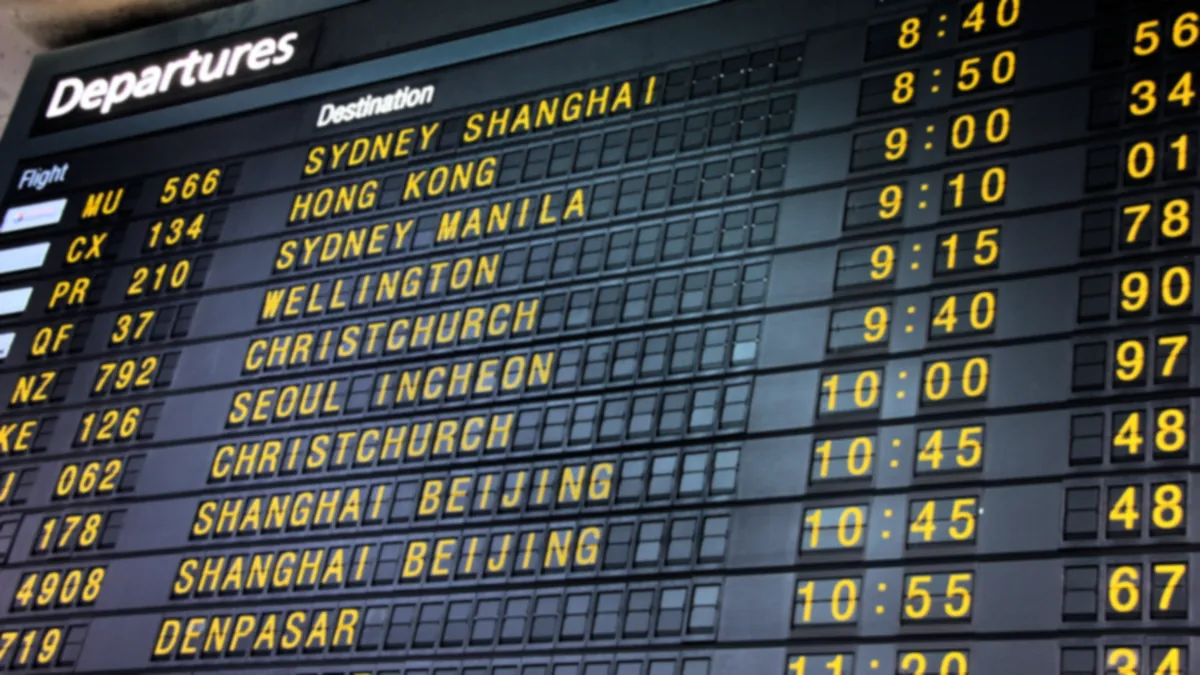
Airports usually separate arrivals from departures. Follow signs for departures after you enter the terminal building. Departure boards list flights, destinations, and check-in areas. However, boards can change, so check them again after you arrive. For example, a check-in desk may move to a different row. Similarly, a gate number may appear only closer to departure time.
Terminals can be large, with more than one building or level. How airports organise terminals gives useful background on the layout you will meet. Staff and information desks can help when signs feel unclear. Therefore, ask early rather than waiting until time feels short. In contrast, guessing a route can add unnecessary walking and stress. Look for flight numbers on screens, since destinations alone can sometimes look alike.
The Airport Check-In Process Explained
The airport check-in process explained in simple terms is a confirmation step. It tells the airline that you intend to travel on a booked flight. Check-in also links your identity to that booking. As a result, the airline can prepare a boarding pass for you. Without completed check-in, you cannot normally proceed to screening or boarding. Therefore, treat check-in as the first formal step after arrival.
Check-in methods vary by airline and airport. Some travellers check in at a staffed desk. Others use a self-service kiosk or an online service before arrival. However, the core purpose stays the same in each case. Staff or systems confirm identity, booking details, and any checked bags. Similarly, they confirm that travel documents meet the requirements for the route.
Check-In at a Desk
At a staffed desk, an agent checks your booking and travel document. You may be asked questions about your bags and your journey. Answer clearly and honestly, since these questions support safety and border requirements. For example, staff may ask who packed your bags. Similarly, they may ask whether you carry items for another person. Keep answers simple and direct, and ask staff to repeat a question if needed.
Desk check-in also handles cases that self-service cannot. Travellers with special assistance needs, complex documents, or unusual bags often need staff help. Therefore, a desk can be the better choice in those cases. In contrast, a straightforward booking may move faster through self-service. Check the desk signs carefully, since desks often serve specific flights or destinations.
Online and Self-Service Check-In
Online check-in usually opens during a set period before departure. The exact period varies by airline and route. Therefore, check your booking confirmation for the correct window. Self-service kiosks at the airport work in a similar way. You enter booking details, confirm passenger details, and receive a boarding pass. As a result, desk queues can be shorter for travellers who still need help.
Digital options still require the same documents at later stages. A phone screen or printed pass does not replace a passport or identity document. However, digital passes can make later checks faster and simpler. How digital boarding passes work in travel apps explains how these passes are stored and shown. Keep a charged device or a printed copy ready, in case a screen fails.
Boarding Pass Explained
Boarding pass explained simply, it is your permission to board a specific flight. It shows the passenger name, flight number, date, departure time, and seat allocation where assigned. It also shows the departure gate when that detail is known. However, gate details can change, so screens remain important. Therefore, check departure boards even after you receive a pass.
A boarding pass may be paper, a card, or a digital code. Each form carries the same core details in a readable format. Staff scan the pass at screening entry, at control points, or at the gate. As a result, a damaged or unreadable pass can cause delays. Keep the pass safe, flat where possible, and ready to show. Similarly, keep it separate from other cards to avoid scanning the wrong one.
Checked Bags and the Bag Drop
Checked bags travel in the aircraft hold, separate from hand luggage. After check-in, bags go to a bag drop point for weighing and tagging. Staff attach a tag that links each bag to your booking and flight. Therefore, the tag must stay attached until you collect the bag. For example, a loose tag can delay loading or delivery. Similarly, an overweight or oversized bag may need separate handling.
Packing rules for checked bags differ from hand luggage rules. Some items belong only in checked bags, while others must stay in hand luggage. Therefore, check official guidance before packing anything unusual. How checked bags move after drop-off explains the journey behind the scenes. Keep essential items, documents, and medicines in hand luggage where possible. As a result, a delayed checked bag causes less disruption on arrival.
Airport Security Lanes Explained
Airport security lanes explained in plain terms means the marked routes into screening. Lanes guide travellers in an orderly flow toward the screening area. Some lanes serve all travellers, while others serve specific needs. For example, a lane may support families, travellers needing assistance, or staff. Similarly, lane layouts differ greatly between airports. Therefore, follow local signs rather than expecting one universal layout.
Lane choice can affect waiting time, but it does not change the screening itself. All travellers pass through the same core checks. However, preparation before a lane can make the flow smoother. Have documents and boarding passes ready before you join a lane. As a result, entry checks cause fewer stops for people behind you. In contrast, searching for documents at the entrance slows the whole lane.
Choosing a Lane and Preparing to Enter
Look for signs that describe each lane before you join one. Signs may show symbols, text, or staff directions. If you feel unsure, ask a member of staff for guidance. Firstly, check whether the lane matches your needs. Secondly, check whether staff are directing people elsewhere. Finally, join the lane only when you feel ready to proceed. Preparation at this point saves repeated handling later.
Keep hand luggage closed and easy to lift until screening begins. Coats, bags, and loose items need handling at the tray stage. Therefore, gather small items before you reach the front. Similarly, keep travel documents ready for any entry check. A calm, ready approach helps staff, fellow travellers, and yourself move through steadily.
Airport Security Screening Explained
Airport security screening explained simply is a safety check before the departure lounge. It checks hand luggage and personal items for prohibited or restricted items. It also checks that travellers pass through without carrying items that could endanger a flight. Screening rules vary by country and airport, so details differ. Therefore, treat this guide as a general explanation, not a list of local rules. Check official airport or government sources for the rules on your route.
Screening follows a clear sequence in most airports. Travellers place hand luggage and loose items into trays. Bags and trays pass through a scanning machine. Travellers then walk through a screening arch or scanner. However, extra checks can follow when a scan needs closer inspection. As a result, a second check does not mean that anything is wrong. Staff may also carry out random additional checks as part of normal procedure.
Airport Security Trays Explained
Airport security trays explained in simple terms means the shallow containers used at screening. Trays hold hand luggage, coats, and small personal items during scanning. Items travel separately through the scanner while you walk through screening. Therefore, trays keep items organised and easy to inspect. For example, a tray keeps loose items together instead of scattered on a belt. Similarly, separate trays can keep electronic items apart from other belongings.
Use trays in the way local signs and staff direct you. Place items flat where possible, and avoid stacking items in a confusing pile. However, exact tray instructions vary by airport and equipment. Therefore, watch the person ahead of you only as a rough guide. Staff instructions at your airport take priority over habits from another airport. Collect every tray and item after screening, and check the area before leaving.
As travelers navigate the intricate processes of check-in and security screening, it’s important to recognize that their journey doesn’t end once they board the aircraft. The seamless transition from ground to sky relies heavily on a sophisticated network of systems and protocols that govern air travel. Once airborne, pilots and crew members rely on air traffic control to ensure safety and efficiency. Understanding how air traffic control works not only enhances the appreciation of the complexities involved in aviation but also underscores the collaboration between various stakeholders responsible for maintaining order in the skies. This coordination is essential for managing airspace, especially during peak travel times, thereby fostering a smoother travel experience from takeoff to landing.
As travelers navigate the intricacies of airport procedures, it is important to recognize that the principles of organized transit extend beyond aviation. Just as understanding airport security can enhance the flying experience, grasping the fundamentals of ground transportation can significantly improve the efficiency and comfort of travel on land. A well-structured bus and coach network, for instance, offers a similar sense of order and predictability. By familiarizing oneself with the routes, interchanges, and schedules, passengers can enhance their travel experience, minimizing confusion and maximizing convenience. For a comprehensive look at how bus and coach networks work, consider exploring the intricacies of their operations and passenger services. This knowledge not only empowers travelers but also fosters a deeper appreciation for the transportation systems that connect us all. how bus and coach networks work seamlessly integrates into our daily commutes and long-distance journeys alike.
As travelers navigate the intricate procedures of airport security and boarding, they move closer to the next critical phase of their journey: the in-flight experience. Understanding the seamless transition from ground to air is essential, as it sets the stage for a comfortable and efficient flight. Once passengers board, they encounter a meticulously orchestrated system designed to enhance their travel experience. From the layout of cabins to the various roles played by the crew, every element is thoughtfully integrated. For those interested in delving deeper into the complexities of air travel, exploring how in-flight services work reveals the interconnected nature of cabin classes, meal service, and entertainment, all contributing to a holistic journey that begins long before takeoff and extends well into the skies.
Hand Luggage Screening Rules
Hand luggage screening rules cover what you may carry into the cabin. Rules can limit liquids, sharp objects, and certain other items. Limits and definitions vary by country, airport, and sometimes by route. Therefore, check official sources before you pack. For example, a rule that applies at one airport may differ at another. Similarly, an item allowed on one route may face limits on a different route.
Pack hand luggage so that items are easy to find and inspect. Place items that staff may need to see near the top. However, avoid opening every pocket unless staff ask you to do so. If staff ask about an item, answer clearly and follow their direction. As a result, the check stays quick and straightforward. Never attempt to hide an item or bypass a check, since screening protects everyone travelling.
Walking Through Screening Calmly
Walk through screening at a steady pace and follow staff directions. You may be asked to stand still for a short scan. You may also be asked to step aside for a further check. However, further checks form a normal part of screening. Therefore, stay calm and cooperate with staff throughout. For example, a pat-down or a bag search follows set procedures. Similarly, staff may use handheld equipment to check an item more closely.
After screening, gather your belongings before moving away from the area. Check trays, pockets, and the belt area for anything left behind. Put shoes, belts, and coats back on away from the flow where possible. As a result, the next travellers can use the space without delay. In contrast, repacking in the screening lane slows everyone behind you. Move to a nearby bench or side area if you need more time.
After Screening: Finding Your Gate
After screening, you enter the departure lounge or airside area. Shops, seating, and gate signs fill this part of the airport. Follow signs for your gate number or gate area. However, gates can change, so check screens regularly. For example, a gate may move to a different pier. Similarly, a flight may show as boarding only shortly before departure. Keep your boarding pass and documents ready for any further checks.
Walking distances can be long in large terminals. Some airports use trains, buses, or long walkways between areas. Therefore, allow time to reach the gate, even when it looks close on a map. In contrast, a short walk at a small airport may take only a few minutes. Check the screen for walking guidance where airports provide it. Arriving at the gate early gives you time to rest and listen for announcements.
Airport Passport Check Explained
Airport passport check explained simply is an identity and travel-permission check. Officers or automated gates may compare your face and document details. They may also check visas, permits, or onward travel details where required. How border control checks work explains the wider purpose behind these checks. However, the exact form of the check varies by country and route. Therefore, follow signs and officer instructions at your own airport.
Have your document open at the correct page where staff ask for it. Remove covers or holders if an officer or machine needs a clear view. As a result, the check moves faster and needs fewer repeats. Similarly, keep children and fellow travellers close during the check. If a machine rejects a document, staff can usually help with a manual check. Stay patient, since these checks protect borders and travellers alike.
Waiting, Changes and Gate Announcements
Waiting at the gate area gives you time to settle before boarding. Use screens and announcements to track your flight. Gate numbers, boarding calls, and delay notices can change without much warning. Therefore, stay within hearing range of announcements where possible. For example, a quiet seating area far from the gate may hide a call. Similarly, headphones can block an announcement if the volume stays high.
Flight changes can happen for operational reasons. Weather, aircraft readiness, crew timing, and air traffic can all affect departure. However, staff usually share updates through screens and announcements. Check the departure board again if you leave the gate area. As a result, you will notice a gate change or delay sooner. Ask gate staff for help if an update feels unclear or worrying.
Airport Boarding Time Explained
Airport boarding time explained simply is the time boarding is planned to start. It appears on boarding passes, screens, or announcements. Boarding time usually comes before the scheduled departure time. However, boarding time is a plan, not a guarantee. Therefore, treat it as the time to be ready at the gate. For example, staff may call boarding slightly earlier or later. Similarly, operational needs can shift the sequence on the day.
Being at the gate by boarding time avoids a last-minute rush. It also gives staff time to check documents and boarding passes in order. As a result, boarding stays calmer for everyone. In contrast, arriving after boarding has started can mean a longer queue. It can also mean less choice of overhead space for hand luggage. Stay near the gate once boarding time approaches.
Why Flights Board Early?
Why flights board early is a common question from first-time travellers. Boarding takes time, since many passengers must pass checks and find seats. Starting early gives staff time to complete those steps before departure. How aircraft turnarounds shape boarding timing explains the wider turnaround behind this timing. Therefore, early boarding supports an on-time departure, rather than delaying it. For example, seating, luggage stowage, and final checks all need time.
Early boarding also helps staff manage the cabin in an orderly way. Boarding groups can enter in sequence, rather than all at once. However, early boarding does not mean the aircraft leaves early. Departure still follows air traffic, runway, and operational readiness. As a result, passengers may wait on board after boarding. Stay seated once on board, and follow crew instructions during this period.
What Happens at the Departure Gate?
What happens at the departure gate? Staff check boarding passes and travel documents before you enter the boarding area. They confirm that each traveller matches the flight leaving from that gate. They may also check hand luggage size or weight where rules apply. Therefore, keep your boarding pass and document ready in your hand. For example, fumbling for documents at the desk slows the queue. Similarly, a document left in a bag creates an avoidable delay.
Gate staff may make announcements about boarding order, seating, or hand luggage. Listen carefully, since instructions can differ by flight. However, announcements may be short, so stay alert near the gate. If you miss an announcement, ask staff politely for a repeat. As a result, you can join the correct group at the correct time. In contrast, joining the wrong group can mean stepping aside and waiting again.
Airport Gate Procedures
Airport gate procedures cover the checks and calls that lead to boarding. Staff usually verify documents, scan boarding passes, and direct travellers onward. They may also count passengers or check seat allocations. Therefore, the gate acts as a final confirmation point before the aircraft. For example, staff can spot a wrong gate before a traveller boards. Similarly, they can help travellers who need assistance to board safely.
Gate areas can use a jet bridge, a walkway, or a bus to the aircraft. Each route leads to the same aircraft door, but the walking route differs. Follow staff directions and marked paths at all times. However, do not rush ahead of the group you were called with. As a result, boarding stays orderly and safe for everyone. Keep hand luggage close, and watch for steps, slopes, or uneven surfaces.
Boarding Groups Explained
Boarding groups explained simply means the order in which passengers board. Groups may reflect seating position, assistance needs, or ticket type. Staff call groups one at a time, often starting with travellers who need extra time. Therefore, your group number or letter tells you when to approach. For example, a rear-seat group may board before a front-seat group. Similarly, families or travellers needing assistance may board in an early group.
Wait for your group call, even when the queue looks short. Joining early can block the group that staff are processing. However, staff can advise you if your group details feel unclear. Check your boarding pass for group details before the call. As a result, you can relax until your group is announced. In contrast, standing in the queue throughout boarding adds unnecessary tiredness.
Travelling Through Connecting Airports
Travelling through connecting airports adds an extra stage to the journey. You arrive on one flight and depart on another, often at the same airport. The connection may stay within one terminal, or it may need a transfer between terminals. Therefore, check your onward flight details as soon as you land. For example, a gate change can happen while you are in the air. Similarly, a short connection leaves little time for confusion.
Follow signs for transfers or connecting flights after landing. Do not follow arrivals signs unless staff direct you that way. Transfer routes often include further document or security checks. However, the exact checks vary by airport and route. Therefore, follow local signs and staff instructions throughout the transfer. Keep your onward boarding pass and travel document ready at each point.
The Transit Passenger Process
The transit passenger process describes the route for travellers who do not end their journey at the connecting airport. Transit passengers usually stay in a controlled transfer area. They may pass through screening again before reaching the departure lounge. They may also pass through a document check, depending on the route. As a result, transit can feel like a shorter repeat of departure. In contrast, a full entry check applies when you leave the airport during a stopover.
Checked bags often transfer between flights without passenger action. However, this is not true on every route or booking. Therefore, confirm at check-in whether bags go through to the final destination. For example, some routes require bag collection and re-checking. Similarly, separate bookings can change how bags and check-in work. Ask staff at the first airport if any part feels unclear. Clear information at the start prevents surprises during the connection.
Boarding the Aircraft and Finding Your Seat
Boarding the aircraft is the final stage of the gate process. Crew greet passengers at the door and direct them toward their seats. Find your seat number on overhead panels or seat rows. Stow hand luggage in the overhead bin or under the seat ahead, as directed. However, follow crew guidance on where each item should go. Therefore, keep essential items within easy reach for the flight.
Once seated, fasten your seat belt when crew instruct you to do so. Listen to the safety briefing, even when you have flown before. Safety details vary by aircraft type, so each briefing matters. As a result, you will know exits, oxygen, and life jacket locations for that aircraft. Similarly, crew instructions during taxi and take-off keep everyone safe. Put devices into the mode crew request, and keep aisles clear during boarding.
If Something Goes Wrong: Delays, Missed Calls and Rebooking
Problems can still happen, even with careful preparation. A delay, a gate change, or a missed announcement can disrupt plans. Stay calm and speak to gate or airline staff as soon as possible. Staff can explain options, rebooking routes, or onward connections. However, options vary by ticket type, airline, and cause of disruption. Therefore, ask for the options that apply to your own booking. Keep booking details and documents ready for that conversation.
Missed flights need prompt action, since seats and onward plans can change quickly. Contact airline staff at the airport or through official channels. For example, staff may rebook you onto a later flight. Similarly, they may advise on bags, connections, or overnight needs. Check official sources for your rights and options on your route. Avoid unofficial offers of help from strangers inside the terminal.
A Calm Departure, From Arrival to Your Seat
Understanding how airport security and boarding work turns a busy terminal into a clear sequence. Arrival, check-in, bag drop, screening, document checks, and gate boarding each follow the last. Preparation helps at every stage, from documents to hand luggage packing. Therefore, check official sources for your airport and route before travel. For example, confirm check-in methods, screening rules, and document needs in advance. Similarly, confirm gate details on screens after arrival.
Stay ready, listen for announcements, and follow staff instructions throughout. Small habits make a real difference on the day. Keep documents accessible, keep boarding passes safe, and arrive at the gate in good time. As a result, boarding feels orderly rather than rushed. In contrast, guessing or rushing adds stress for you and fellow travellers. A calm, prepared approach helps the whole departure run smoothly.