Many travellers wonder how in-flight services work once the cabin door closes. Cabin crew welcome passengers, serve food and drink, run safety checks, and manage entertainment during the flight. Caterers, cleaners, engineers, and ground teams support that work before departure. This guide explains how in-flight services work as one connected system. It covers cabin layout, cabin classes, crew roles, meals, entertainment, and the service sequence from boarding to landing.
What Does In-Flight Service Actually Cover?
In-flight service covers everything cabin crew do for passengers after boarding. Crew greet passengers, help with bags, check seat belts, and give safety instructions. They serve meals and drinks, answer requests, and watch for safety risks during the flight. They also manage lighting, temperature requests, and cabin announcements. For example, a crew member may dim lights for rest, then raise lights before a meal service.
Cabin service also covers work passengers rarely see. Crew check safety equipment, count catering items, and confirm special meal requests before departure. Ground teams load food, water, and supplies during the turnaround. Engineers check aircraft systems, and cleaners prepare the cabin for new passengers. As a result, the visible service rests on a chain of unseen preparation.
Four parts shape the passenger experience on most flights:
- The cabin itself, with seats, aisles, bins, galleys, and lavatories
- The cabin class, which sets space, meal style, and service pace
- The crew team, with clear roles for safety and service
- The onboard systems, including entertainment, connectivity, and lighting
Each part affects the others. A narrow aisle slows trolley service, for example. A large galley gives crew more room to prepare meals. Similarly, a clear crew plan helps service run on time when turbulence interrupts work.
How Are Aircraft Cabins Laid Out?
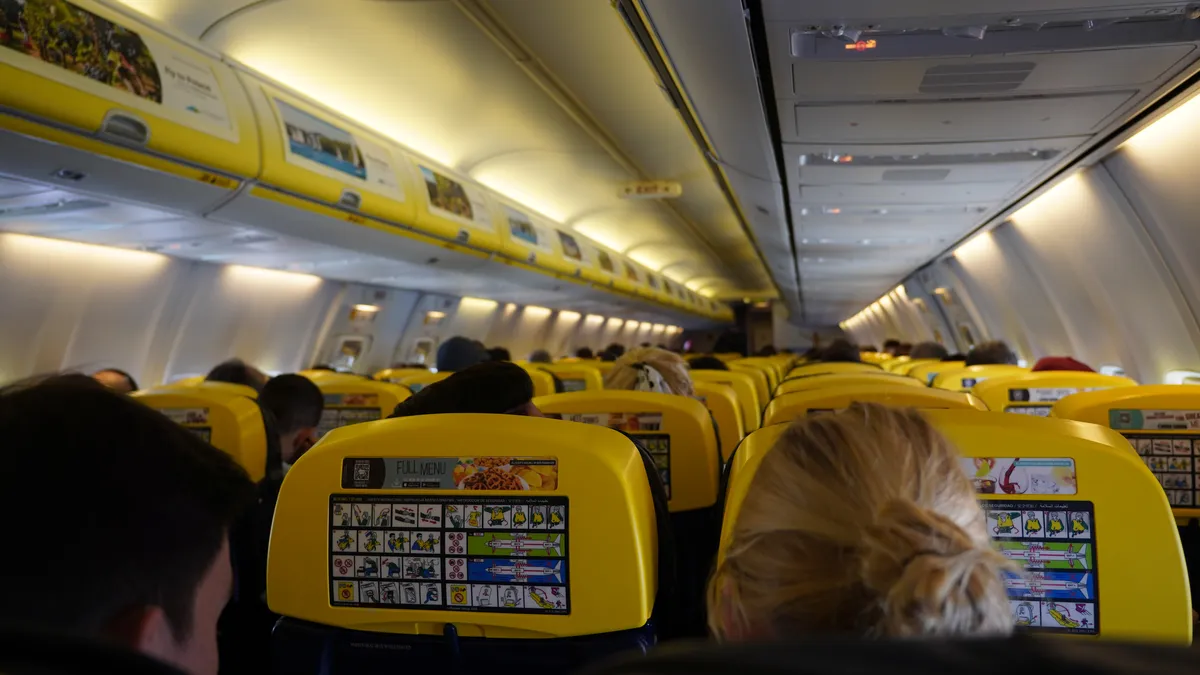
Learning how aircraft cabins are laid out helps travellers make sense of the whole flight. Designers divide the cabin into zones, and each zone has its own crew, galley, and lavatories. Aisles run the length of the cabin, and exits sit at set points along the fuselage. Overhead bins hold cabin bags above the seats. Seat rows face forward in most cabins, and curtains or dividers may separate classes.
Wide-body aircraft often have two aisles and a larger cabin. Narrow-body aircraft usually have one aisle and fewer seats in each row. Smaller regional aircraft may have a different layout again, with fewer rows and less overhead space. However, the basic pattern stays the same: seats, aisles, exits, galleys, and lavatories in a planned order.
How Does Cabin Layout Shape Service?
Layout shapes service in practical ways. Crew work from the galley nearest their zone, and they serve rows in a set order. Trolleys move down aisles, so crew need clear space to pass passengers and bags. Lavatory queues form near galleys and exits, and crew manage that flow during busy periods. Therefore, a thoughtful layout keeps service moving and keeps aisles clear for safety.
Seat position also affects the experience. Window seats offer a view and a wall to lean against. Aisle seats offer easier access to the aisle and lavatories. Middle seats offer less personal space on both sides. In contrast, seats near exits or bulkheads may offer different legroom, and rules for those seats can vary by aircraft and airline.
What Do Cabin Classes Really Change?
Cabin classes explained in simple terms means looking at space, privacy, meals, and service pace together. Airlines use class names to group seats with a similar level of space and service. The labels economy, premium economy, business, and first class describe a spectrum, and economy premium economy business first class searches often compare all four at once. However, offerings vary widely by airline, aircraft, and route, so travellers should check the seat map and service notes for a specific flight.
Economy usually means a standard seat in a larger cabin section. Premium economy usually adds more space and a wider seat than economy on aircraft that offer it. Business class usually adds a larger seat, more privacy, and a fuller meal service. First class, where airlines offer it, usually adds the most space and the most personal service. In short, class changes the seat and the service around it, not the safety rules.
| Cabin class | Typical seat setup | Meal style | Service pace |
|---|---|---|---|
| Economy | Standard seat in a shared cabin | Tray meal or buy-on-board, varies by route | Set service rounds for the whole cabin |
| Premium economy | More space and a wider seat than economy | Enhanced tray service on many routes | Smaller cabin, often calmer rounds |
| Business class | Larger seat with more privacy | Multi-course or flexible dining, varies by airline | More individual attention from crew |
| First class | Largest seat with most privacy | Full dining service, varies by airline | Highly personal service in a small cabin |
How Do You Compare Cabin Classes Without Universal Numbers?
Seat pitch and width explained without numbers starts with two ideas. Pitch describes the distance from one seat to the seat in front, and that gap sets knee room. Width describes the width of the seat cushion and armrest space, and that space sets shoulder and hip room. Both measures vary by aircraft, seat design, and airline, so no single figure describes every flight.
Travellers can compare classes by looking at the seat map, seat layout, and service description for one flight. A layout with fewer seats across a row usually means wider seats. A cabin with fewer rows in a zone usually means more pitch. For example, a traveller can compare two flights on the same route and note the layout, then read the airline service notes. Similarly, photos and seat maps help, however travellers should treat marketing images as a guide, not a promise.
How Does Cabin Crew Prepare a Flight?
Understanding how cabin crew prepare a flight starts before passengers board. Crew attend a briefing, and the senior crew member shares flight details, weather notes, and passenger needs. Crew review safety duties, emergency roles, and any special requests for the flight. They also check crew rest plans on longer flights and confirm who covers each cabin zone. Therefore, every crew member boards with a clear role and a clear zone.
Crew then check the cabin in a set order. They inspect safety equipment, including oxygen masks, life vests, fire extinguishers, and first aid kits. Crew then check seat belts, tray tables, lavatories, and emergency exits. They count catering items and confirm meal numbers against passenger numbers. Caterers load meals, drinks, and supplies through service doors, and crew verify counts and stow items in galleys. As a result, preparation links safety, catering, and service before anyone takes a seat.
Ground teams play a large part in this stage, and how aircraft turnarounds prepare the next flight shows the wider process. Cleaners tidy seats and lavatories, engineers check systems, and loaders handle bags in the hold. How airport baggage systems move checked bags explains the hold side of that work. Crew also welcome early boarding passengers while final checks continue, and they stow last items before the doors close.
What Happens During Boarding and the Safety Demonstration?
Boarding sets the tone for the flight, and crew manage it zone by zone. Passengers find seats, stow bags in overhead bins, and settle children and personal items. Crew help with bag placement, seat questions, and passengers who need extra assistance. They check that bags fit bins and aisles stay clear. Airport security and boarding procedures cover the steps before passengers reach the aircraft door, and how airports handle departures gives the wider terminal picture.
The cabin safety demonstration explained in plain terms covers seat belts, exits, oxygen masks, and life vests. Crew show passengers how to fasten and release a seat belt, and they point out the nearest exits. They explain oxygen masks and life vest use, and they show the safety card in the seat pocket. Passengers should read that card, note the nearest exit, and count rows to it. In contrast to a casual announcement, the demonstration gives practical steps for a rare emergency.
Crew also complete a cabin secure check before take-off. They confirm tray tables sit up, seat backs sit upright, bags sit stowed, and lavatories sit empty. They check that passengers wear seat belts and electronic devices follow crew instructions. Pilots then receive confirmation that the cabin stands ready, and the aircraft can depart. Similarly, crew repeat secure checks before landing, with fresh attention to bags, belts, and tray tables.
How Does the In-Flight Service Sequence Work?
The in-flight service sequence follows a pattern, and crew adjust that pattern for flight length and conditions. After take-off, crew first check the cabin and confirm passengers can move safely. They then start the first service round, which may include drinks, snacks, or a full meal. Crew serve by zone and row order, collect rubbish, and answer requests between rounds. For example, crew may offer a drink round first on a short flight, then collect cups before descent.
Mid-flight service varies by route. Crew may offer extra drinks, snacks, or a second round on longer flights. They also manage lighting, cabin temperature requests, and passenger needs during quiet periods. Turbulence can pause trolley service, and crew secure trolleys and return to seats when pilots signal rough air. As a result, timing stays flexible, and safety always takes priority over service pace.
Before landing, crew start a final round. They collect rubbish, secure galleys, and check seats, belts, and tray tables. They give landing announcements and remind passengers about bags and devices. Passengers should stow items, fasten belts, and follow crew instructions for descent. In short, the sequence moves from welcome to service to secure, and each stage prepares the next one.
What Happens on a Short Flight?
Short flights compress the sequence into a tight window. Crew may offer only drinks and a small snack, or a buy-on-board choice on some routes. Service rounds move quickly, and crew collect items soon after serving them. Passengers may have little time between take-off and descent, so crew keep announcements short and clear. Therefore, travellers should settle quickly and keep bags stowed for a smooth short service.
As we delve deeper into the intricacies of in-flight services, it’s fascinating to draw parallels with other modes of transportation that also prioritize efficiency and passenger experience. Just as cabin crews orchestrate a seamless journey through their well-defined roles and coordinated efforts, railway systems operate under a complex framework of tracks, signals, and timetables. This interconnectedness highlights the importance of operational precision across various travel sectors. For those intrigued by the underlying mechanics of transport networks, exploring how railway systems work reveals a similarly sophisticated approach to ensuring safe and timely travel. Understanding these systems not only enhances our appreciation for air travel but also underscores the shared commitment to passenger safety and satisfaction across different modes of transport.
How Does Long-Haul Cabin Service Differ?
Long haul cabin service stretches the same pattern across many hours. Crew plan several service rounds, rest periods, and lighting changes across the flight. They serve a main meal after take-off, offer drinks and snacks mid-flight, and serve a second meal before landing on many routes. How long-haul flights are planned explains route and crew planning behind those long journeys. Crew also manage sleep, with dimmed lights and quieter rounds during rest periods. Similarly, they watch for passengers who need water, help, or medical attention during long hours in the air.
How Is the In-Flight Meal Service Organised?
In-flight meal service explained as a system starts on the ground, not in the air. Caterers prepare meals in airport kitchens, chill or seal them, and load them in carts for the flight. Crew receive carts in the galley, check counts, and heat main dishes in ovens during the flight. They assemble trays with a main dish, side items, bread, dessert, and a drink choice. For example, crew may heat meals in batches, so service reaches rows in order without long waits.
Meal style varies by flight length, cabin class, and airline. Some flights include a hot tray meal, while others offer a cold meal, snack box, or buy-on-board menu. Drink service usually runs with meals and between meals on longer flights. Crew collect trays and rubbish after each round, and they stow waste in galley carts. How airlines organise routes and fleets helps explain why meal styles differ across networks, and how flight booking systems show cabin and fare choices shows where travellers first see meal and class details.
How Are Special Meals Handled on Flights?
Learning how special meals are handled on flights helps travellers with dietary needs plan ahead. Airlines usually ask passengers to request a special meal before departure, through booking or customer service. Caterers label special meals by code and load them in set positions in the carts. Crew check the passenger list, match labels to seat numbers, and serve special meals first in many cabins. Therefore, travellers should confirm requests early and check the label when crew serve the meal.
Special meal types vary by airline, and common categories cover vegetarian, vegan, gluten-free, lactose-free, and religious meal needs. Crew cannot create a new special meal on board from standard stock in every case, so early requests matter. Passengers with allergies should tell crew during boarding and read labels on served items. In contrast to a restaurant, the galley has limited space and limited spare stock, so clear requests help crew serve safely.
How Does the Aircraft Galley Work?
Aircraft galley explained in simple terms means picturing a compact kitchen at the ends of cabin zones. Galleys hold ovens, chillers, coffee makers, carts, and stowage for trays, cups, and cutlery. Crew heat meals, brew drinks, and assemble service items in a small space. They also store waste, spare supplies, and special meal carts in set positions. As a result, galley order matters, and crew follow set stowage plans for safety during turbulence.
Galley work follows a strict routine. Crew load carts in serving order, heat meals in batches, and return empty carts to set slots. They keep aisles clear, lock carts when crew leave them, and secure loose items before take-off and landing. Water and waste systems also connect to galleys, and crew follow hygiene rules for food handling. Similarly, crew coordinate galley work across zones, so two teams never block the same aisle at the same time.
How Does the In-Flight Entertainment System Work?
The in-flight entertainment system gives passengers films, television programmes, music, games, and flight information during the flight. Seatback screens sit in many long-haul cabins, while other aircraft use streaming to personal devices. Passengers browse a menu, choose content, and use headphones or earbuds to listen. Content loads from onboard servers, and crew can reset screens or help with basic faults. For example, a passenger may restart a screen, choose subtitles, or switch to the moving map.
Entertainment content varies by airline and route, and airlines update libraries on a cycle. Films and programmes may include new releases, classics, documentaries, and children’s content. Music, podcasts, and games round out the menu on many systems. Passengers should bring headphones or check headphone rules for a specific flight, since plug types and charges can vary. In contrast to home streaming, onboard systems work offline from local servers, so choices depend on the loaded library.
Power and device rules form part of the system too. Some seats offer USB power or mains power, while others offer no charging at all. Crew give device instructions for take-off and landing, and passengers should follow those instructions. Travellers can download content before departure as a backup, and they can check device rules in booking notes. Similarly, seatback screens may share controls with lighting and crew call buttons, so passengers should explore the menu early.
How Does In-Flight Wi-Fi Work?
This section covers in-flight wifi explained in plain terms. Aircraft connect to the internet through satellite links or ground-based links, depending on the aircraft and route. An onboard router shares that link with passengers through cabin Wi-Fi. Passengers connect, choose a plan or free option where airlines offer one, and browse, message, or stream within the limits of the shared link. Staying connected while travelling covers wider options beyond the aircraft, including roaming and offline maps.
Speed and reliability vary a great deal in the air. Satellite links cover oceans and remote areas, while ground links suit flights over land with network coverage. Many passengers share one link, so video calls and large downloads may run slowly or fail. Airlines may limit services, block calls, or charge for faster access. Therefore, travellers should treat in-flight Wi-Fi as a useful extra, not a guarantee, and download key items before departure.
What Are Cabin Crew Roles on Board?
Cabin crew roles explained clearly starts with safety as the first duty. Every crew member trains for emergencies, first aid, fire response, and evacuation. Crew also serve passengers, manage the cabin, and support pilots with cabin reports. The senior crew member, often called the purser or senior cabin crew member, leads the team, runs briefings, and handles complex passenger issues. Other crew members cover set zones, galleys, and doors, and they report to the senior member during the flight.
Crew roles divide by position and zone. One crew member may manage a galley and meal preparation, while another serves a set block of rows. Door crew handle boarding, safety checks, and door duties for their exits. Crew rotate tasks on longer flights, so one person may serve meals early and manage the cabin later. For example, a crew member may start in the forward galley, then move to aisle service after the first round. As a result, passengers see different faces for different tasks, and the team still follows one plan.
Crew also handle medical events, disruptive behaviour, and special assistance needs. They follow set procedures, use onboard medical kits, and seek help from medically trained passengers or ground doctors where procedures allow. They document events and hand over notes after landing. Similarly, crew manage unaccompanied minors, passengers with reduced mobility, and families with infants, with care and clear communication.
Where Do Cabin Crew Rest on Long Flights?
Cabin crew rest areas give crew a place to rest on long flights without leaving the aircraft. Larger long-haul aircraft may include a small crew rest area above, below, or behind the passenger cabin. Smaller aircraft may use curtained seats or a set block of seats for rest breaks. Rest breaks follow a roster, so only part of the team rests at one time. Therefore, service continues while resting crew recharge for later rounds.
Rest rules protect safety and service quality across long duty periods. Airlines plan augmented crews for very long flights, with extra crew members to cover rest breaks. Senior crew manage the roster, wake resting crew on time, and brief them on cabin events. Passengers may notice fewer crew in the cabin during quiet periods, and that pattern reflects the rest plan. In short, cabin crew rest areas support alert crew for landing and any emergency.
How Do Cabin, Catering, Entertainment and Crew Fit Together?
The four parts fit together through timing, space, and communication. Cabin layout sets where crew work, where galleys sit, and where passengers sit. Catering sets what crew serve and when, and entertainment fills time between service rounds. Crew link the parts, with announcements, lighting changes, and service rounds that match the flight plan. For example, crew may dim lights after a meal, start a film period, and then raise lights for a second service.
Problems in one part ripple into others. A late catering load can delay the first service round. A faulty entertainment server can raise passenger requests and crew workload. Turbulence can pause trolley service and shift meal timing. However, crew adapt by reordering rounds, offering drinks first, or serving cold items when ovens face delays. Similarly, pilots share turbulence and arrival updates, and crew adjust announcements and secure checks to match.
Travellers can use this system view to plan better. They can check cabin layout, class service notes, and meal details before booking. Travellers should also request special meals early, download entertainment backups, and pack headphones and chargers. They can also settle quickly, keep aisles clear, and follow crew instructions during service. As a result, passengers and crew share a smoother flight, and the system works as designers and planners intended.
What Should Passengers Know Before They Fly?
Passengers can make in-flight service work better with a few simple steps. They should check booking notes for meal, baggage, and device rules before travel. Early requests matter for special meals, seat choices, and assistance needs. They should arrive at the gate on time, stow bags quickly, and read the safety card after boarding. For example, counting rows to the nearest exit takes seconds and builds useful awareness.
During the flight, passengers should follow crew instructions for belts, devices, and tray tables. They should keep aisles clear, return to seats when crew secure the cabin, and ask crew for help early rather than late. They should treat Wi-Fi, entertainment, and meal timing as variable, since routes, aircraft, and weather change the plan. In contrast to a fixed restaurant or cinema, the cabin service adapts to safety, space, and time on every flight.
Understanding how in-flight services work turns a routine flight into a clearer experience. Cabin layout, cabin classes, crew roles, catering, and entertainment form one system, and crew run that system with safety first. Travellers who know the sequence, the roles, and the limits can relax, plan, and enjoy the journey. The next time cabin crew start a service round, passengers will know the preparation, teamwork, and timing behind each tray, announcement, and screen.