
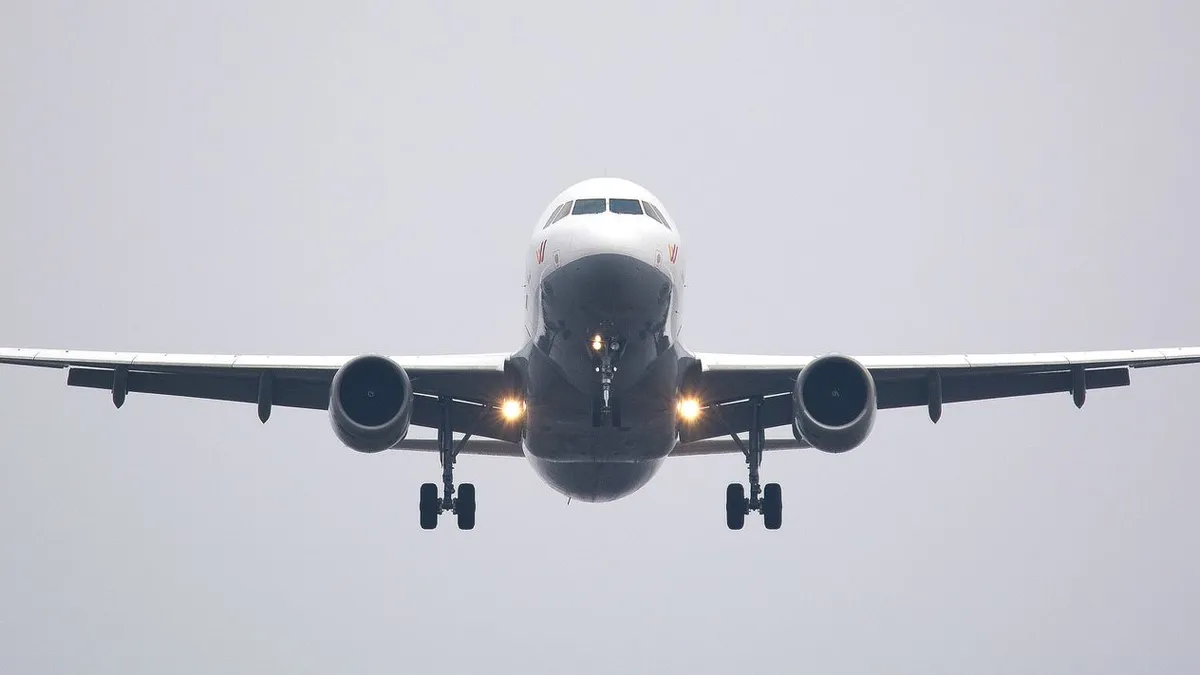
Most travellers see only one flight at a time. You check in, you board, you land, and you move on. However, that single flight is rarely a standalone event. Behind it sits a wide system of routes, aircraft, crews, and partner airlines. Therefore, learning how airlines work means learning how those parts fit together.
This guide explains the airline as a network business. Firstly, it looks at route planning and hub design. Secondly, it covers fleets, schedules, and seat filling. Finally, it explains alliances, codeshares, and crew bases. As a result, you will read your next booking with fresh eyes.
What Does an Airline Actually Do?
An airline moves people and cargo by air on a planned timetable. That simple answer hides a large amount of coordination. For example, each flight needs an aircraft, a crew, a departure slot, and ground support. In addition, each flight must connect sensibly with other flights in the same network.
Think of an airline less like a taxi service and more like a railway with wings. A taxi waits for one passenger and then chooses a route. In contrast, an airline publishes a timetable in advance and then fills each departure from many different starting points. Similarly, a railway gains value when lines meet at stations. An airline gains value when flights meet at hubs.
Why Is an Airline a Network Business?
A network business earns much of its value from connections. One flight may carry passengers who started their journeys in several different cities. For example, travellers from three small cities may meet at one large airport. From there, they board one shared flight to a distant destination. Therefore, the shared flight can operate even when no single starting city could fill it alone.
Connections also shape cargo, maintenance, and staffing. Cargo can move through the same hub as passengers, for example, when belly space is available. Maintenance teams can work from a smaller number of well-equipped bases. As a result, planners judge a route by its effect on the whole network, not by that route alone.
That network view explains many choices that look odd in isolation. A flight may depart at an awkward hour because it must meet a bank of onward flights. Similarly, a route may continue through a quiet season because it feeds busier routes. However, network value has limits. A connection that is too long, too tight, or too unreliable will push travellers toward a simpler journey.
How Does One Flight Fit a Larger Pattern?
Picture a single morning departure as one thread in a woven cloth. The aircraft arrived the night before from another city. Its crew may have started their duty at a base far from that city. In addition, its passengers may have arrived on several earlier flights. Therefore, a delay to one thread can tug at many others.
Planners try to limit that knock-on effect without wasting aircraft time. For example, they build spare time into turns between flights at busy airports. They also keep reserve crews available at major bases. However, spare time costs money, because an aircraft earns only while it flies. As a result, timetables balance resilience against efficiency, day after day.
How Airlines Plan Routes?
Route planning starts with a question about demand. Where do people want to travel, at what times, and how often? Planners then test whether an aircraft can serve that demand at a sensible cost. For example, a short route may suit frequent small aircraft. A long route may need a larger aircraft with a different crew pattern.
Demand alone does not decide a route. Airport capacity, airspace rules, and competition also matter. In addition, an airline must hold the right operating permissions for each country it serves. Therefore, a promising city pair can wait while permissions, slots, or suitable aircraft become available.
How Do Airlines Plan Routes in Practice?
Learning how airlines plan routes means following a cycle of evidence, testing, and review. Firstly, planners study booking patterns, seasonal travel, business travel, and cargo flows. Secondly, they estimate how many travellers would choose each departure time. Thirdly, they compare aircraft types, fuel use, crew needs, and ground costs for the route.
Forecasts are then tested against the existing network. A new route may feed a hub, for example, by bringing travellers to onward flights. In contrast, a new direct route may draw travellers away from an existing hub connection. Therefore, planners weigh the gain on the new route against any loss elsewhere in the network.
Routes are reviewed after launch, too. Planners watch how full flights are, how connections perform, and how seasons change demand. As a result, a route may gain frequency, change aircraft, shift departure times, or close. However, closure is rarely instant. Airlines often adjust a route first, because a timetable change can rescue demand that a blunt withdrawal would lose.
What Is Airline Network Planning?
Airline network planning is the work of designing the whole map, not one line at a time. It asks which cities to serve, how often to serve them, and how flights should connect. For example, planners may add a feeder route so that a long-haul flight has enough connecting passengers. Similarly, they may time two flights to meet, even when neither flight looks strong on its own.
Network planning also covers the shape of the map over seasons. Summer leisure demand may call for different timings from winter business demand. In addition, school holidays, festivals, and major events can shift demand for short periods. Therefore, timetables often change by season, with core routes kept steady and flexible routes adjusted around them.
Good network planning keeps the map readable for travellers. Clear hub connections, sensible layover times, and reliable frequencies all help. However, readability must survive real-world limits, such as airport congestion and weather disruption. As a result, planners leave room for recovery, especially at the busiest airports in the network.
The Airline Hub and Spoke Model
The airline hub and spoke model gathers flights at a central airport, called a hub. Smaller cities, called spokes, connect to the hub. Travellers then change aircraft at the hub for onward journeys. For example, a traveller from a small city may fly to the hub, change aircraft, and continue to a faraway destination.
This model lets an airline serve many city pairs with fewer aircraft. Ten spoke cities linked through one hub can offer far more journey combinations than ten separate direct routes. Therefore, hubs suit airlines that want wide coverage without flying every possible city pair directly. However, hubs add a change of aircraft, and that change adds time and risk.
How Does a Hub Day Work?
A hub day runs in waves, often called banks. In a bank, many flights arrive within a short window. Passengers change aircraft, bags transfer, and crews swap. Then many flights depart within a short window. For example, morning arrivals may feed late-morning departures to many destinations.
Banks create intense work on the ground. Gates, baggage teams, and airport operations must handle a surge, then a lull, then another surge. Therefore, hub airports need enough gates, staff, and baggage capacity for peak waves, not just average demand. As a result, a hub can feel calm one hour and crowded the next.
Travellers feel banks as connection times. A short connection saves time when all goes well. However, a short connection leaves little room for a late arrival. In contrast, a long connection feels safe but wastes time. Similarly, planners must choose connection times that suit most travellers, most of the time.
Hub-and-Spoke vs Point-to-Point: Which Pattern Fits Which Job?
Point-to-point flying links two cities directly, without a hub change. It suits strong demand between two places, for example, two large cities with steady travel in both directions. In contrast, hub-and-spoke flying suits thinner demand spread across many cities. Therefore, most large airlines mix both patterns rather than choosing only one.
| Feature | Hub-and-spoke | Point-to-point |
|---|---|---|
| Typical journey | Change at a central airport | Direct flight between two cities |
| Coverage | Many city pairs through one hub | Only pairs with strong direct demand |
| Connection risk | Missed connections can disrupt trips | No connection to miss |
| Ground pressure | Sharp peaks during flight banks | Demand spread more evenly |
| Best fit | Wide networks and thin routes | Busy city pairs and leisure routes |
Neither pattern is better in every case. A hub can make a small city reachable with one change. In contrast, a direct flight can make a busy route faster and simpler. As a result, airlines test each city pair on its own demand, then check how it affects the wider map.
Airline Fleet Types Explained
Airline fleet types explained in simple terms means sorting aircraft by job, not just by size. Short hops, medium routes, and long routes place different demands on range, capacity, and turnaround speed. For example, a short route may need quick turns and frequent departures. A long route may need more fuel capacity, crew rest space, and cargo room.
Fleets also differ by cabin layout and cargo ability. Some aircraft carry mainly passengers with baggage and small cargo in the hold. Others are built to carry larger cargo loads alongside passengers. Therefore, fleet choice is a network choice, not a beauty contest between aircraft models.
How Do Airlines Choose Aircraft?
Learning how airlines choose aircraft starts with the route, not the showroom. Firstly, planners check the distance and the airports at each end. Runway length, gate size, and local limits can rule out some aircraft. Secondly, they match seat numbers to expected demand across seasons. Thirdly, they weigh fuel use, maintenance needs, and crew training for each type.
Commonality matters a great deal. An airline that operates fewer aircraft types can train crews more simply and hold fewer spare parts. For example, pilots, engineers, and cabin crew can move more easily within one aircraft family. However, one type cannot suit every route. As a result, most airlines keep a small number of families, each matched to a band of routes.
Flexibility also shapes the choice. An aircraft that can serve several routes gives planners room to swap types when demand shifts. Similarly, an aircraft with strong cargo capacity can support routes where freight matters. Therefore, fleet decisions look years ahead, because aircraft stay in service far longer than one timetable season.
What Shapes a Mixed Fleet?
A mixed fleet grows from the shape of the network. Short domestic hops, regional routes, and long-haul routes rarely share one ideal aircraft. For example, a regional route may suit a smaller aircraft with frequent departures. In contrast, a long route may suit a larger aircraft with fewer departures each week.
Seasonal change adds another layer. Demand may rise sharply in one season and fall in another. Therefore, airlines may use a larger aircraft on a route in peak season and a smaller one later. However, swaps must respect crew qualifications, maintenance plans, and gate limits. As a result, fleet flexibility is planned, not improvised at the last minute.
Age and condition also matter. Older aircraft may need more maintenance checks and may use more fuel. Newer aircraft may offer better efficiency but need new training and parts. Similarly, an airline must phase changes in slowly, so that crews and engineers are ready. Therefore, fleet renewal is a gradual programme, not a single swap.
Airline Scheduling Explained
Airline scheduling explained plainly means building a timetable that aircraft, crews, and airports can all keep. Each aircraft must move through its day without impossible turns. Each crew must work within rest and duty rules. In addition, each departure must fit the airport slot and the airspace around it.
Schedules are built backwards from the network plan. Planners start with the routes and frequencies they want. They then assign aircraft to each flight, allowing time for turns, fuelling, cleaning, and checks. For example, a late arrival may force a later departure for the same aircraft. Therefore, one late flight can reshape the rest of that aircraft’s day.
Why Do Departure Banks Matter?
Departure banks matter because connections depend on timing. If feeder flights arrive too late, onward flights leave without their connecting passengers. If feeder flights arrive too early, travellers wait a long time. For example, a bank may gather arrivals over one hour and departures over the next hour. As a result, the hub works like a timed interchange, not a random stream of flights.
Banks also affect air traffic control and airport capacity. Many aircraft want to move at once, so runways, taxiways, and gates face a surge. Therefore, planners coordinate bank times with airport capacity and expected weather patterns. However, a storm during a bank can cause wider disruption than the same storm during a quiet period.
Travellers can use bank logic when they book. A connection inside one bank may be tight but well planned. In contrast, a connection across two banks may be safer but slower. Similarly, the first flight of a bank may recover more easily than the last. Therefore, reading the timetable as a pattern helps more than reading one flight alone.
How Do Aircraft Rotations Work?
An aircraft rotation is the chain of flights one aircraft flies in a day. For example, an aircraft may fly out and back twice, then end the night at a maintenance base. Each link in the chain depends on the one before it. Therefore, planners protect rotations with spare time at key points, especially before the first long flight of the day.
Rotations must also end where maintenance can happen. An aircraft cannot fly endlessly without checks, cleaning, and restocking. In addition, aircraft turnarounds between flights must fit cleaning, fuelling, baggage, and boarding into a short window. As a result, a rotation that looks efficient on paper may fail if turns are too tight at a busy airport.
When disruption strikes, rotations are rebuilt. An aircraft may swap with another, a flight may be delayed, or a route may be covered by a standby aircraft. However, each swap creates new effects elsewhere. Similarly, controllers, dispatchers, and ground teams must agree on a revised plan quickly. Therefore, scheduling is a live job, not a timetable printed once and forgotten.
How Airlines Fill Seats?
How airlines fill seats is a question about matching supply to shifting demand. An airline cannot add seats after departure, and it cannot store an empty seat for later. For example, a seat left empty on a morning flight cannot be sold on an evening flight. Therefore, airlines try to sell the right seats, to the right travellers, at the right time.
Demand changes by day, season, and booking lead time. Business travel may book late and need flexible tickets. Leisure travel may book early and accept stricter ticket rules. In addition, events, holidays, and school breaks can lift demand sharply. As a result, seat availability and ticket rules change as departure nears, even when the aircraft stays the same.
What Happens as Departure Nears?
As departure nears, planners and revenue teams watch bookings closely. Firstly, they check how many seats are sold in each fare class. Secondly, they compare bookings with past patterns for similar flights. Thirdly, they adjust how many seats remain open in each class. Therefore, two travellers on one flight may hold tickets with very different rules.
This process is often called revenue management, but the idea is simple. Sell early seats to travellers who plan ahead. Keep some flexibility for late bookers who need it. For example, a flight that fills early may close its cheapest classes sooner. In contrast, a flight with slow bookings may keep more classes open for longer. However, no system can predict demand perfectly, so teams review and adjust often.
Seat maps add another layer. Travellers may choose seats at booking, at check-in, or at the gate. In addition, families, groups, and travellers needing assistance may need seats held together or near specific facilities. As a result, the seat map you see online is a snapshot, not the full story of who sits where.
Why Do Seats on One Flight Differ?
Seats differ because tickets differ, even in the same cabin. One ticket may allow changes, another may not. One ticket may include checked baggage, another may not. For example, a flexible ticket suits a traveller whose plans may change. In contrast, a restricted ticket suits a traveller with fixed plans. Therefore, the fare reflects the rules, not just the seat itself.
Cabin layout adds further differences. Seats near exits, at the front, or with extra legroom may carry different rules. In addition, flight booking systems group tickets into fare classes that control availability. As a result, the same physical seat can appear under different booking rules at different times.
Travellers benefit from reading fare rules before they pay. Check change rules, baggage rules, and refund rules in plain language. However, rules vary by airline, route, and ticket type, so a rule learned on one trip may not apply on the next. Similarly, a cheap ticket that cannot change may cost more in the end if plans shift.
Full-Service vs Low-Cost Airline: What Really Differs?
The phrase full service vs low cost airline describes two business models, not two levels of safety. Both models must meet the same safety and operating standards. For example, both need trained crews, maintained aircraft, and approved procedures. Therefore, the difference lies in what is included, how networks are built, and how costs are managed.
Full-service airlines often run hub networks with connections, partner airlines, and several cabin classes. Low-cost airlines often run simpler point-to-point networks with one cabin class and fast turns. In contrast, many airlines now blend features from both models. As a result, the labels describe a tendency, not a strict divide.
| Feature | Full-service model | Low-cost model |
|---|---|---|
| Network shape | Often hub-based with connections | Often direct routes, fewer connections |
| Ticket bundle | More items often included | More items often charged separately |
| Cabin choice | Several cabin classes on many routes | Usually one cabin class |
| Fleet pattern | Often several aircraft families | Often one aircraft family |
| Partner links | Alliances and codeshares common | Partner links less central |
Cost control explains much of the gap. A low-cost model may use one aircraft type, fly to less congested airports, and turn aircraft faster. For example, a fast turn lets one aircraft fly more sectors in a day. In contrast, a hub model may accept longer turns to protect connections. Therefore, each model trades simplicity against network reach.
What Stays the Same Across Both Models?
Safety, training, and maintenance standards stay the same in principle. Both models need qualified pilots, cabin crew, engineers, and dispatchers. In addition, both must follow the rules of each country they serve. Therefore, a lower fare does not mean a lower safety standard.
Passenger rights and airport processes also share much common ground. Check-in, security, boarding, and baggage handling follow airport and national rules. For example, airport baggage systems serve all airlines at the same airport. Similarly, air traffic control treats flights by safety and flow, not by ticket price. As a result, the traveller experience differs most in booking rules, bundles, and connections.
Airline Alliances Explained
An airline alliance explained in plain terms is a partnership between airlines that agree to work together. Members coordinate schedules, share airport lounges in some cases, and let travellers earn and use loyalty benefits across the group. For example, a traveller may book one journey that uses flights from two member airlines. Therefore, alliances extend each airline’s reach without that airline flying every route itself.
Alliances are not mergers. Each airline keeps its own aircraft, crews, brand, and business decisions. In contrast, members agree on shared standards for connections, baggage, and customer handling on joint journeys. As a result, a journey across two members should feel more joined-up than two separate bookings.
Star Alliance, oneworld and SkyTeam: What Do the Three Groups Share?
Three large global groups dominate alliance discussion. Search listings often group them as Star Alliance oneworld SkyTeam, because travellers compare the three sets of members. Each group brings together airlines from different regions. For example, one member may be strong in one region while another member is strong elsewhere. Therefore, the group as a whole can offer more destinations than any single member.
Shared features often include coordinated timetables at shared hubs, through check-in, and baggage transfer on joint journeys. In addition, loyalty members may earn credit on partner flights and use benefits across the group. However, benefits vary by ticket, status level, and route. As a result, travellers should check the rules for their own journey, not assume every benefit applies everywhere.
Alliances also shape competition. A group may offer a smoother journey across many countries. In contrast, airlines outside a group may compete with direct routes or lower bundled fares. Similarly, regulators watch alliances closely, because cooperation between competitors needs clear limits. Therefore, alliances sit between full independence and full merger.
What Is a Codeshare Flight?
A codeshare flight explained in plain terms is one physical flight sold under two or more flight numbers. One airline operates the aircraft. Another airline sells seats on that flight under its own code. For example, you may book with Airline A but fly on an aircraft operated by Airline B. Therefore, your booking, your flight number, and your operating airline may carry different names.
Codeshares help airlines sell journeys they do not operate themselves. A traveller can book one ticket across an operating airline and a marketing airline. In addition, baggage and check-in are usually handled as one journey. However, the operating airline’s rules may govern the flight itself, including cabin service and disruption handling. As a result, check who operates your flight before you travel.
Codeshares differ from simple interline journeys. A codeshare gives the marketing airline a flight number on the partner’s flight. In contrast, an interline journey may use each airline’s own flight numbers throughout. Similarly, codeshares often appear on alliance routes, but non-alliance airlines can codeshare too. Therefore, the flight number alone does not prove an alliance link.
What Is an Interline Agreement?
An interline agreement explained in simple terms is a deal that lets airlines handle each other’s passengers and bags on one journey. Without such a deal, a traveller may need separate tickets and may need to collect and re-check baggage. With a deal, one ticket can cover flights from two airlines. For example, bags can transfer between airlines without the traveller collecting them mid-journey.
Interline deals sit below alliances in depth. They do not require shared loyalty schemes or joint scheduling. In contrast, they still need agreement on ticketing, baggage, and disruption handling. Therefore, interline deals widen choice, especially on routes where no single airline flies the whole journey.
Travellers should still check the details. One ticket does not always mean one set of baggage rules. In addition, a missed connection between two airlines may be handled differently from a missed connection on one airline. As a result, keep your booking record handy and confirm transfer steps when you check in.
How Do Airline Loyalty and Alliances Connect?
Airline loyalty and alliances connect through shared earning and shared benefits. A loyalty member may earn credit when flying with a partner airline. That credit may count toward status or future rewards, depending on the scheme rules. For example, a flight on a partner airline may earn credit in your home scheme. Therefore, loyalty can reward travel across a whole alliance, not just one airline.
Benefits may include lounge access, priority check-in, and extra baggage, subject to status and ticket rules. However, each scheme sets its own earning rates and benefit levels. In addition, airline loyalty programmes differ in how credit expires and how rewards are claimed. As a result, the alliance link helps, but the home scheme rules decide the detail.
Loyalty also shapes network choices. Travellers may prefer alliance journeys to keep credit in one scheme. Airlines may therefore value alliance partners that feed their hubs. Similarly, a strong loyalty scheme can keep travellers loyal even when a rival offers a direct route. Therefore, loyalty is part of the network system, not just a marketing add-on.
What Is a Flag Carrier?
What is a flag carrier? The term describes an airline closely linked to one country, often through history, ownership, or national role. In the past, many flag carriers were state-owned. Today, ownership varies widely. For example, some flag carriers are fully private, some are partly state-owned, and some have no state ownership at all. Therefore, the label describes a national association, not a single ownership model.
A flag carrier often carries the country’s name, colours, or symbols. It may also operate key long-haul routes from the country’s main airports. In addition, it may play a visible role in national events or emergency travel. However, visibility does not mean monopoly. Most countries now have several airlines, including rivals to the flag carrier.
Travellers sometimes assume a flag carrier is always the largest airline in its country. That assumption can mislead. A flag carrier may be large, but a rival may carry more passengers on some routes. Similarly, a flag carrier may focus on long-haul routes while rivals focus on short routes. As a result, judge each airline by its network and service, not by its label alone.
How Does a Flag Carrier Differ From Other Airlines?
A flag carrier differs mainly in history and national role, not in basic flying. It must meet the same safety and operating rules as any other airline. In contrast, it may face different public expectations, especially during disruption or national events. For example, travellers may expect it to add rescue flights or keep key routes running. Therefore, its decisions may attract more public attention.
Commercially, a flag carrier may enjoy strong brand recognition at home. That recognition can help it fill long-haul flights from its home hub. However, recognition alone does not guarantee profit. In addition, it must compete on routes, schedules, and service like any rival. As a result, the flag carrier label opens doors, but it does not remove competition.
Airline Crew Bases Explained
Airline crew bases explained simply means crews have home airports where their duties start and end. A base is not just a place to sleep. It holds rosters, training records, reserve crews, and management for the crews assigned there. For example, a pilot based at a large hub may fly many different routes, but most duties start and end at that hub.
Bases follow the network. Large hubs usually host large bases, because many flights start there. In addition, long-haul flights need bases that can support rest rules and longer duties. Therefore, an airline may open a base where its network is dense, and close one where flying has shrunk.
Why Do Crews Need a Home Base?
Crews need a home base because duty rules, rest rules, and training all need a fixed anchor. A crew member must know where duties begin, where rest periods count from, and where standby cover is held. For example, a reserve crew at a base can cover a sick colleague at short notice. In contrast, a crew scattered across many airports would be harder to roster and support.
Bases also help crews build route knowledge. Pilots learn the airports, approaches, and weather patterns they fly most often. Cabin crew learn the aircraft layouts and service patterns of their base fleet. Therefore, bases improve safety and consistency, not just convenience. However, bases cost money to run, so airlines balance base size against network need.
Travellers rarely see base logic, but they feel its effects. A well-staffed base can recover faster from disruption. In contrast, an outstation with few based crews may wait longer for a replacement crew. Similarly, early departures often rely on crews who stayed overnight away from base. As a result, crew positioning is a quiet part of every timetable.
How Do Crew Rosters Follow the Network?
Crew rosters follow the network by matching qualified crews to each flight. Pilots must hold the right aircraft qualification. Cabin crew must hold the right safety training. In addition, duty limits control how many flights, how many hours, and how much rest each crew member needs. Therefore, rostering is a puzzle with safety rules at its centre.
Rosters are built weeks ahead, then adjusted daily. Weather, sickness, and delays can break a planned roster. For example, a crew delayed on one flight may run out of duty time for the next. Reserve crews then step in, or flights are re-timed. However, reserves are finite, so disruption can spread when several rosters break at once.
Long-haul rosters add rest planning. Crews may need rest at the destination before flying home. In addition, time-zone changes affect rest quality and duty planning. As a result, long-haul crew patterns look very different from short-haul patterns, even within one airline. Similarly, planners must protect rest, because tired crews help no one.
How Does the Whole System Hold Together?
The whole system holds together through shared timing, shared standards, and constant adjustment. Route planners design the map. Fleet planners match aircraft to routes. Schedulers build rotations that crews can fly. In addition, alliance partners, airports, and air traffic control all play their parts. Therefore, no single team runs an airline alone.
Disruption tests the system daily. Weather, technical faults, and congestion can break a tidy plan. For example, one closed runway can delay a bank, strand connections, and break crew rosters. Recovery teams then rebuild rotations, rebook travellers, and move aircraft to where they are needed. However, recovery takes time, because every fix creates a new knock-on effect.
Understanding this system helps travellers make calmer choices. A direct flight avoids connection risk. A longer connection buys recovery time. In addition, in-flight services and cabin comfort matter most once the network has done its job. As a result, the best journey is rarely just the cheapest or the fastest on paper.
What Should You Notice on Your Next Trip?
On your next trip, notice the pattern behind your flight. Check who operates your flight, not just who sold your ticket. Look at your connection time and ask whether it sits inside one hub bank. For example, a tight connection may work well when both flights use the same terminal. In contrast, a longer connection may suit a large hub with a terminal change.
Notice the aircraft, too. A smaller aircraft may mean a quicker turn and a simpler boarding process. A larger aircraft may mean more connections feeding your flight. Similarly, notice how crews and ground teams hand the aircraft from one flight to the next. Therefore, a flight that departs on time is a small victory for a large system. As a result, you now know how airlines work as one connected network, not as a set of separate flights.