This guide explains how adventure travel works as a system, not as a sales pitch for one trip. In addition, it covers adventure travel explained in plain terms, and it covers an activity holiday explained through the same lens. You will see how tours run, what guides do, how grading works, how equipment hire works, what briefings cover, and how seasons, group size, operators, and insurance fit into the picture.
What Is Adventure Travel, and How Does It Differ From a General Holiday?
Adventure travel centres on physical activity in a natural or outdoor setting. Walking, paddling, cycling, climbing, and similar activities form the core of the trip. However, the activity alone does not define the category. Planning, guidance, equipment, and safety routines shape the trip just as much as the landscape does. Consequently, two trips in similar scenery can feel very different in practice.
A general holiday often centres on rest, sightseeing, or food. An activity holiday centres on doing something active each day. For example, mornings may start with a briefing, days may follow a planned route, and evenings may include rest, food, and preparation for the next day. In addition, travellers usually need suitable clothing, footwear, and personal kit. Similarly, they need a realistic sense of their own fitness and comfort with heights, water, or exposure.
Adventure travel also varies widely in intensity. Some trips suit complete beginners with gentle routes and close guidance. Other trips suit experienced travellers who want longer days and harder terrain. Therefore labels alone tell only part of the story. Travellers need to understand grading, group size, and the role of guides before they judge whether a trip fits them.
What Counts as an Activity on an Activity Holiday?
An activity can mean almost any organised outdoor pursuit. Hiking and walking sit at the gentle end for many travellers. Cycling, paddling, and climbing add speed, balance, or height to the mix. In addition, some trips combine several activities across a week. For example, a programme might pair walking days with paddling days. Similarly, a programme might pair cycling with time on the water.
Operators usually describe each activity in general terms first. They explain the setting, the pace, and the level of guidance. However, descriptions vary in detail from one operator to another. Therefore travellers should read the full trip notes, not just the headline. In particular, they should look for route character, daily rhythm, and the support that travels with the group.
Activities also differ in how much skill they demand at the start. Some activities welcome beginners with instruction built into the day. Other activities expect prior experience and steady fitness. Consequently, honest self-assessment matters more than enthusiasm alone. A trip that matches skill and fitness feels rewarding. A trip that exceeds them can feel stressful, even in fine weather.
How Adventure Tours Are Run From Booking to Return?
Understanding how adventure tours are run helps travellers see where decisions happen. Planning starts long before departure. Operators choose routes, check access, arrange transport, and set group sizes. In addition, they recruit and brief guides, prepare equipment, and plan for changes in weather. Therefore much of the work stays invisible until something changes.
Booking usually starts with trip notes and a clear description of the activity. Travellers choose dates, check fitness guidance, and read what the operator provides. However, booking does not end the planning. Operators often send preparation notes, kit lists, and meeting details closer to departure. Similarly, travellers may need to confirm health details, experience, or dietary needs through a form.
On the trip itself, each day tends to follow a rhythm. Guides brief the group, lead the activity, manage rest stops, and review the day. In addition, support staff may move bags, drive vehicles, or prepare meals at the next stop. Consequently, travellers experience a steady flow rather than a series of separate surprises. When plans change, guides explain the change and the reason behind it.
Who Plans the Route Before Anyone Arrives?
Route planning sits at the heart of how group travel works in general, and adventure routes add terrain to that task. Planners study maps, paths, water levels, access points, and escape routes. However, paper planning alone never completes the job. Guides and local staff also walk routes, check conditions, and note hazards in advance. Therefore routes reflect both design and recent ground knowledge.
Planners also think about pacing and rest. They space the day around energy, daylight, and safe stopping places. For example, a walking day needs water stops, shelter options, and a clear finish point. Similarly, a paddling day needs launch points, landing points, and places to leave the water safely. In addition, planners consider how tired travellers will feel near the end of the day.
Access and permission form another layer of planning. Some routes cross private land, protected areas, or managed sites. Operators arrange permission where the local system requires it. Consequently, a route that looks open on a map may still need formal access. Travellers rarely see this work, but they benefit from it every day.
What Happens on the Day Itself?
A typical activity day opens with a short meeting. Guides outline the route, the pace, and the plan for rest and food. However, the meeting does more than share facts. It also sets expectations, checks kit, and gives the group a shared picture of the day. Therefore travellers start with fewer surprises and clearer roles.
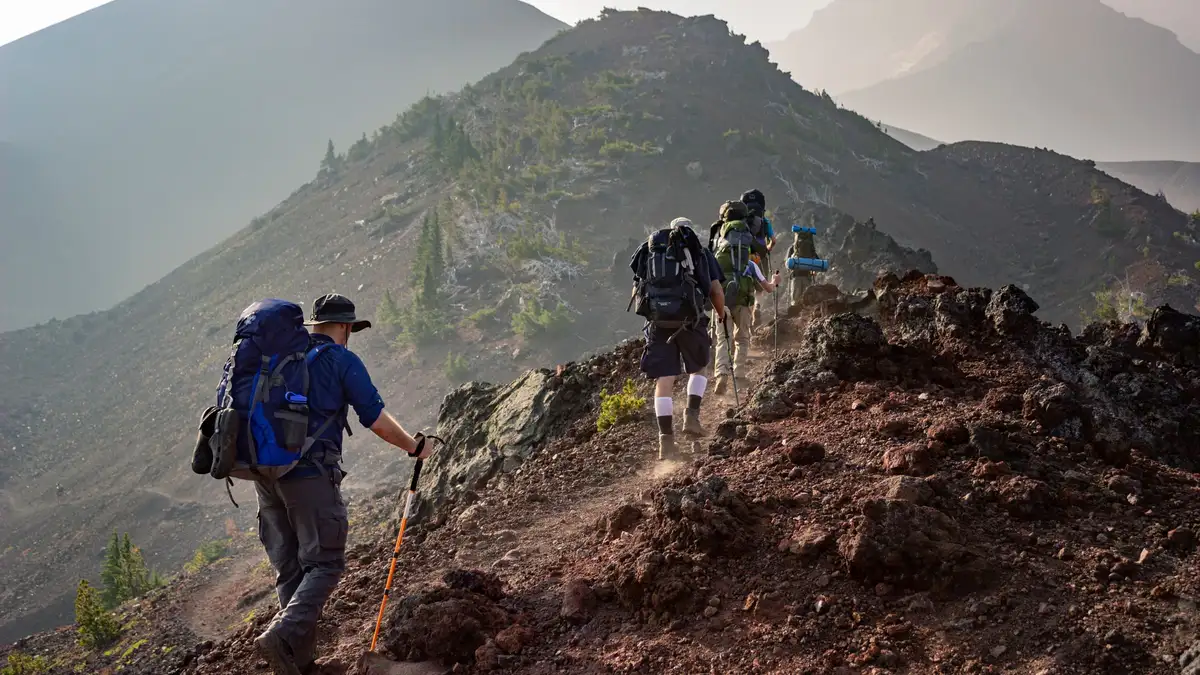
During the activity, guides lead from a position that suits the terrain. Sometimes a guide leads from the front and sets the pace. Sometimes a guide moves through the group and checks on individuals. In addition, a second guide may stay at the back on larger groups. Similarly, guides pause at junctions, viewpoints, and tricky sections to regroup the party.
At the end of the day, guides review what happened and preview the next day. They check equipment, note damage or wear, and report conditions. For example, a guide might note a blocked path, a changed water level, or a tired group member. Consequently, the next day starts from fresh information rather than from yesterday’s plan alone.
Adventure Travel Guides Explained: What Guides Actually Do?
Adventure travel guides explained in full means looking past the image of a person walking at the front. Guided adventure tours depend on guides who blend leadership, teaching, observation, and care for the group. They set pace, explain features, manage risks, and keep morale steady. However, they also make quiet judgements all day. They watch energy, weather, terrain, and group dynamics at the same time.
Guides act as interpreters of place as well as leaders of activity. They explain landscape, wildlife, history, and local life in general terms. In addition, they answer questions and point out features travellers might miss alone. Similarly, they help travellers understand why a route follows one path rather than another. Therefore guiding adds meaning to movement, not just direction.
Guides also carry responsibility for group safety at a concept level. They follow the operator’s safety routines, use briefings, and make condition-based decisions. For example, a guide may shorten a route, change a start time, or pause an activity when conditions turn. Consequently, travellers should treat guide decisions as part of the system, not as personal inconvenience.
How Do Guides Lead, Teach and Watch the Group at the Same Time?
Leading, teaching, and watching sound like separate jobs. In practice, guides blend them into one continuous role. A guide explains a technique while watching how each person responds. However, the balance shifts through the day. Early stages need more teaching and closer watching. Later stages may need more pacing and encouragement. Therefore good guiding adapts hour by hour.
Teaching on adventure trips stays practical and general. Guides demonstrate movement, show how equipment works, and explain group routines. For example, a paddling guide might demonstrate strokes on calm water before the group moves on. Similarly, a walking guide might explain footing and pacing before a steep section. In addition, guides repeat key points rather than assuming everyone heard them once.
Watching the group means noticing small signals. Guides look for fatigue, discomfort, confusion, or overconfidence. They check that the group stays together at key points. Consequently, a guide may slow the pace, add a rest stop, or split attention between stronger and slower members. Travellers help this process by speaking up early about tiredness or worry.
What Training and Local Knowledge Sit Behind the Role?
Guide training varies by activity, country, and operator. Some roles rest on formal qualifications in a specific activity. Other roles rest on local knowledge, first-aid training, and supervised experience. However, no single global standard covers every guide role. Therefore travellers should ask operators in general terms about guide experience and training for that activity.
Local knowledge matters as much as technical skill. Guides know paths, weather patterns, water behaviour, and seasonal change in their area. In addition, they know where help sits, where shelter sits, and where mobile signal fades. Similarly, they know local customs, access rules, and sensitive places. Consequently, a local guide adds safety and context that a map alone cannot give.
Operators usually support guides with systems behind the scenes. They provide route notes, emergency plans, communication tools, and backup contacts. However, systems work only when guides use them consistently. Therefore briefing routines, equipment checks, and condition checks matter more than any single piece of kit. Travellers see the guide, but the system behind the guide does much of the work.
Activity Travel Grading Systems: How Are Activities Graded?
Activity travel grading systems give travellers a shorthand for difficulty. Operators use grades, levels, or labels to sort trips by effort and skill. However, grading systems vary widely. One operator’s middle grade may match another operator’s easy grade. Therefore travellers should treat grades as operator-defined guides, not as universal measures.
Grading usually reflects a mix of factors. Distance and duration matter, but terrain matters just as much. A short route over rough ground can demand more than a long route over smooth ground. In addition, height, exposure, water conditions, and weather can raise difficulty sharply. Similarly, pack weight, altitude, and remoteness can change how hard a day feels.
Operators often publish grading notes alongside trip descriptions. Those notes explain what a grade means for that operator and that activity. For example, notes might describe typical daily distance in general terms, terrain character, and expected fitness. Consequently, travellers should read the notes for the specific trip, not rely on a grade label alone. Cross-operator comparison needs care and extra questions.
Activity Difficulty Levels Explained in General Terms?
Activity difficulty levels explained in general terms start with fitness, skill, and comfort. Fitness covers stamina for repeated days, not just one strong day. Skill covers technique, balance, and familiarity with the activity. In addition, comfort covers heights, water, cold, heat, and exposure. Similarly, experience with navigation, group pace, and variable weather shapes difficulty too.
Levels often move from gentle to demanding in steps. Gentle levels suit beginners with regular walking or basic fitness. Middle levels suit travellers with steady fitness and some experience. Demanding levels suit travellers with strong fitness, solid technique, and experience in similar terrain. However, the steps between levels differ by operator. Therefore a traveller should compare descriptions, not just level names.
Some systems use words, some use symbols, and some use numbers. None of those formats makes a system universal. A number from one operator carries no fixed meaning elsewhere. In addition, the same activity can earn different grades in different seasons or conditions. Consequently, travellers should treat every grade as a starting point for questions, not as a final answer.
How Should Travellers Read a Grade Without Treating It as a Promise?
Grades describe a planned trip under typical conditions. Conditions on the day can change the experience. Rain can turn a firm path muddy. Wind can change a calm paddle. Heat can shorten a comfortable day. Therefore travellers should ask how conditions affect grading. In addition, they should ask what happens when conditions force a change of plan.
Travellers can also compare grades with their own recent experience. Recent activity matters more than distant achievement. For example, a traveller who walks regularly will judge a walking grade more accurately than one who last walked months ago. Similarly, a traveller who paddles often will judge water grades better. Consequently, honest reflection helps more than optimism alone.
Questions help travellers test a grade before booking. Ask what a typical day involves, hour by hour. Enquire about terrain, rest stops, and support. Ask about the fittest and least fit moments of the trip. In addition, ask how guides handle mixed-ability groups. Operators with clear answers usually run clearer grading systems.
Adventure Travel Equipment Explained: What Kit Does What?
Adventure travel equipment explained clearly starts with purpose. Each item protects, supports, or connects the traveller to the activity. Footwear grips ground and protects feet. Clothing manages warmth, wind, and rain. Safety kit protects heads, bodies, or buoyancy where the activity requires it. However, kit works as a system, not as a collection of separate items. Therefore fit, condition, and correct use matter as much as ownership.
Operators usually divide equipment into personal kit and provided kit. Personal kit often includes clothing, footwear, and small personal items. Provided kit often includes activity-specific safety equipment, group equipment, and transport items. In addition, some operators provide larger items through hire. Similarly, some operators expect travellers to bring technical items themselves. Trip notes should make this split clear.
Equipment also connects to grading and conditions. Harder terrain needs sturdier footwear and more protection. Colder or wetter conditions need warmer and more waterproof layers. For example, a mountain walk in changeable weather needs layers that adapt through the day. Consequently, kit lists deserve the same attention as route descriptions. Poor kit can turn a suitable trip into a hard one.
Equipment Hire for Activities: How Does Hire Work?
Equipment hire for activities lets travellers use specialist kit without buying it first. Operators or hire partners provide items such as boats, bikes, helmets, harnesses, or paddles. Travellers usually reserve sizes in advance and collect kit at the start. However, hire systems vary. Some hire sits inside the trip price. Other hire sits as a separate arrangement. Therefore travellers should confirm what hire includes before departure.
Fitting forms a key part of hire. Staff adjust helmets, harnesses, life jackets, or bike positions to the individual. In addition, staff explain adjustments, straps, and checks in simple terms. Similarly, staff may swap an item that fits poorly or shows wear. Consequently, travellers should speak up when kit feels wrong. A small fit problem early can grow into discomfort or risk later.
Hire also carries responsibilities for care and return. Travellers should treat hired kit with care and report damage promptly. Operators check returned kit, clean it, and repair or retire worn items. For example, a helmet with damage needs removal from service, not quiet reuse. Therefore hire works best as a shared routine of checking, reporting, and maintaining standards.
How Are Checks and Fitting Part of the System?
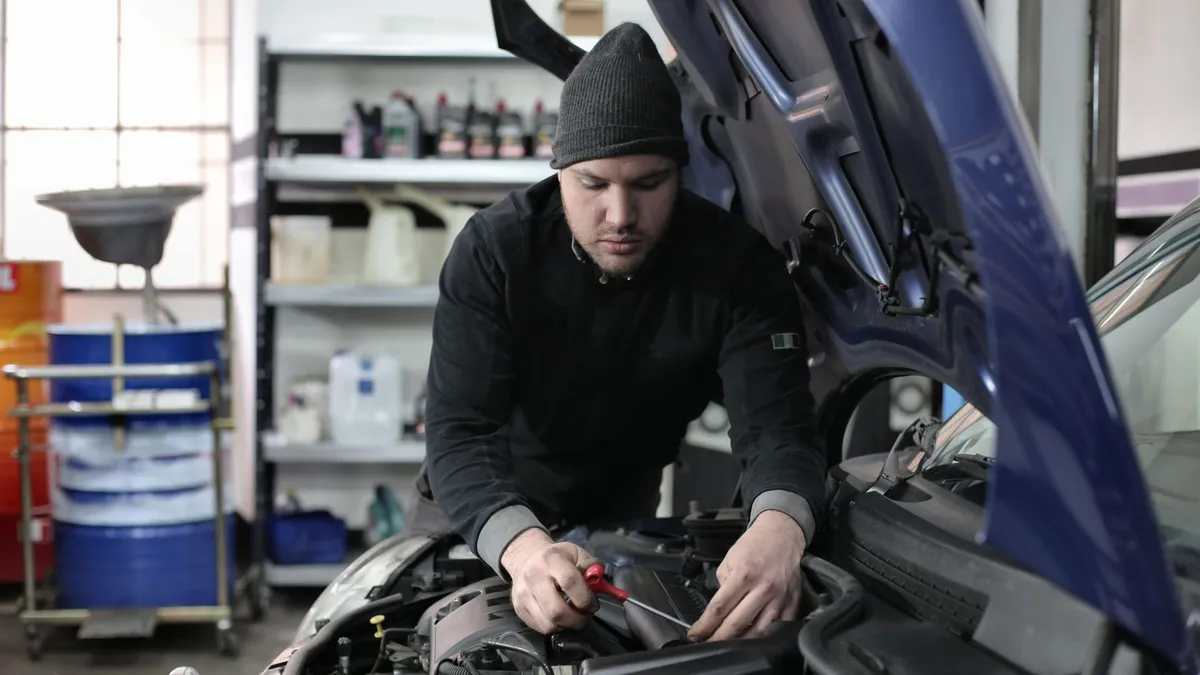
Checks turn equipment from objects into a safety routine. Guides and staff inspect kit before use, during use, and after use. They look for wear, damage, and correct adjustment. However, checks follow operator routines, not a single universal checklist. Therefore travellers should watch for the routine itself, not for one specific check. A visible, calm checking routine signals a working system.
Fitting checks protect comfort as well as safety. A helmet should sit steady without pinching. A harness should fit snug without restricting movement. A life jacket should fit close to the body. In addition, footwear should suit the terrain and the length of the day. Similarly, backpack straps and bike positions affect energy over long hours. Consequently, fitting deserves time, even when the group feels eager to start.
Travellers also play a part in checks. They should learn basic fit points during the briefing. After rest stops, check straps and closures again. They should report loose, broken, or uncomfortable kit at once. In addition, they should avoid adjusting safety kit in ways the guide has not explained. Shared attention keeps the system honest through the day.
Safety Briefing Adventure Activities: What Happens Before the Activity Starts?
A safety briefing adventure activities session sets the rules for the day in plain language. Briefings explain the plan, the roles, the signals, and the routines for staying together. However, briefings do more than list rules. They also build a shared understanding of risk, responsibility, and communication. Therefore travellers should treat briefings as central, not as a formality before the fun starts.
Briefings usually happen at the start of an activity and again when conditions change. A guide may brief the whole group together, then repeat key points for smaller groups. In addition, guides may demonstrate equipment, show group positions, and explain what to do if someone needs help. Similarly, guides may explain how the group will regroup at junctions or rest points. Consequently, everyone starts with the same basic picture.
Briefings also cover behaviour and communication. Guides explain how to signal, how to call for attention, and how to stay in contact. They explain pace, spacing, and stopping routines. For example, a guide might set a rule that nobody passes the leader at a junction. Therefore the group moves as one unit, even when individuals differ in speed or confidence.
What Does a Briefing Cover, in General Terms?
Briefing content varies by activity, but the pattern stays recognisable. Guides outline the route, the timing, and the main features of the day. They explain equipment use in general terms. They outline group routines, rest stops, and communication signals. In addition, they explain how the group handles separation, tiredness, or changing conditions. Similarly, they explain where help sits and how the group reaches it.
Briefings also cover personal responsibility at a concept level. Travellers learn to stay with the group, follow guide instructions, and report problems early. They learn to check their own kit and clothing. However, briefings do not teach people to perform dangerous activities alone. They teach people to take part safely within a guided system. Therefore travellers should not treat a briefing as full training for solo activity.
Good briefings invite questions. Guides pause for clarification and check understanding. Travellers should ask about anything unclear, from signals to meeting points. For example, a traveller might ask where the group regroups after a long descent. Consequently, questions strengthen the briefing for everyone. Silence can hide a misunderstanding that matters later.
How Do Weather and Conditions Decisions Work?
Weather and conditions decisions sit with guides and operators, not with enthusiasm. Guides check forecasts, observe local conditions, and compare both with the planned route. However, forecasts give probabilities, not certainties. Local observation adds detail that forecasts miss. Therefore guides combine both sources before deciding to start, adapt, or pause an activity.
Decisions often involve timing, route, and exposure. A guide may start earlier to avoid afternoon wind. When wind rises, a sheltered route may suit the group better. A guide may shorten a day when heat, rain, or water levels change the picture. In addition, guides may pause at a safe point and reassess. Similarly, they may turn back when conditions cross the operator’s limits. How mountains shape weather and travel shows why local terrain can change conditions quickly.
Travellers help these decisions by staying flexible. Plans may change at short notice. A changed plan does not mean a failed trip. It means the system works as intended. Consequently, travellers should pack patience alongside kit. Flexibility protects enjoyment as well as safety when conditions shift.
Group Size Adventure Tours: Why Does Group Size Change the Experience?
Group size adventure tours vary from small parties to larger organised groups. Size affects pace, attention, noise, and social feel. Small groups often move quietly and adapt quickly. Large groups often need firmer routines and clearer regrouping points. However, neither size suits every traveller. Therefore group size deserves attention during trip selection.
Size also affects guide attention. In a small group, a guide can watch each person closely. In a larger group, guides use systems to keep track of everyone. They may use a lead guide and a rear guide. They may count the group at stops. In addition, they may split the group for parts of the day. Similarly, they may set buddy routines or subgroup leaders. Consequently, larger groups need stronger routines, not just more people.
Social feel changes with size too. Small groups often build close conversation and shared jokes. Larger groups often offer more variety and new faces. For example, a solo traveller may enjoy a larger group for company. A quiet traveller may prefer a smaller group for calm. Therefore travellers should match group size to temperament as well as to activity.
How Do Small and Large Groups Work Differently?
Small groups adapt fast. Guides can change a route, add a stop, or slow the pace with little fuss. Decisions need less formal structure. However, small groups also feel absences more keenly. One tired member affects the whole party. Therefore small-group guiding needs sensitive pacing and honest communication.
Large groups need structure to stay coherent. Guides set clear meeting points, signals, and counting routines. They brief subgroups separately when needed. In addition, support staff may help with transport, food, and equipment. Similarly, large groups may travel in waves rather than as one long line. Consequently, structure replaces the informal flexibility of a small party.
Both sizes can work well when the system matches the size. Problems arise when routines ignore size. A large group with no regrouping routine drifts apart. A small group with rigid routines feels over-managed. Therefore travellers should ask how the operator manages the stated group size. Clear answers signal a system designed for that size.
Adventure Travel Seasons: How Do Seasons Shape Activity Travel?
Adventure travel seasons shape routes, conditions, crowds, and availability. Seasons affect daylight, temperature, water levels, snow cover, and vegetation. However, seasons mean different things in different places. A dry season in one region may match a wet season elsewhere. Therefore travellers should think in local seasons, not in calendar labels alone.
Operators plan around seasonal patterns. They choose operating windows when routes suit the activity. Start times move earlier or later for daylight and heat. They plan alternative routes for shoulder periods. In addition, they watch seasonal access rules and local closures. Similarly, they plan staffing and equipment around expected demand. How travel seasons and peak periods work explains the wider demand pattern behind these choices.
Seasons also affect the feel of a trip. Peak periods bring fuller groups and busier trails. Quieter periods bring more space and calmer routes. For example, a popular trail feels different with many groups than with few. Consequently, season choice involves trade-offs. Travellers balance weather, crowds, cost patterns in general terms, and personal schedules.
How Do Operators Adjust Plans Across the Year?
Operators adjust routes, timing, and support through the year. They may run different routes in different seasons. Start times may shift earlier in hot periods. They may add shelter or rest options in colder periods. However, adjustments follow local knowledge, not a fixed calendar. Therefore operators review conditions regularly rather than setting one plan for a whole year.
Seasonal adjustment also covers staffing and equipment. Operators need enough guides for peak demand. They need enough kit in the right sizes. They need maintenance windows when demand falls. In addition, they need training time for new guides before busy periods. Similarly, they need time to repair routes, kit, and vehicles. Consequently, seasonal planning reaches far beyond the traveller’s booking date.
Travellers can use seasonal knowledge when choosing dates. They should ask which season suits the activity best. Next, ask how conditions vary within a season. They should ask what alternatives exist when conditions change. In addition, they should check daylight, temperature patterns, and access in general terms. Clear seasonal notes help travellers choose with open eyes.
How Activity Operators Work Behind the Scenes?
Understanding how activity operators work behind the scenes explains why guided trips feel organised. Operators coordinate many moving parts at once. They manage bookings, guides, transport, accommodation, food, equipment, and local permissions. However, travellers see only the guided day. The office, the depot, and the transport plan stay mostly hidden. Therefore the smooth surface rests on busy backstage work.
Operators also manage risk at a system level. They write operating routines, train staff, maintain kit, and review incidents. They check routes and update plans after problems. In addition, they hold emergency plans and communication routines for remote areas. Similarly, they review weather routines and guide decisions after difficult days. Consequently, safety grows from learning and review, not from one document alone.
Operators differ in scale and style. Some operators run trips directly with their own guides and kit. Other operators work through local partners who know the area well. Both models can work well. However, travellers should understand who actually leads the trip. Therefore questions about the guiding team, the local partner, and the chain of responsibility help. Transparency about roles signals a mature operator.
What Roles Keep an Operator Running?
Guides form the most visible role, but many other roles support them. Office staff handle bookings, questions, and preparation notes. Transport staff move people, bags, and kit between points. Kitchen or catering staff prepare food where the trip includes meals. In addition, maintenance staff check vehicles and equipment. Similarly, local partners provide access, knowledge, and on-the-ground support.
Each role needs clear handover points. Bookings must reach guides accurately. Dietary needs must reach caterers. Equipment needs must reach the depot. For example, a wrong group size in a booking note can leave a trip short of kit. Consequently, operators use checklists, briefings, and confirmation routines. Travellers benefit when those routines work quietly in the background.
Communication links the roles together. Radios, phones, and messaging tools connect guides with base staff. However, remote areas may lack signal. Operators plan for gaps with meeting points, timings, and backup routines. Therefore communication planning matters as much as the devices themselves. Travellers should know the basic communication routine for their trip.
Adventure Travel Insurance Cover Types: What Kinds of Cover Exist?
Adventure travel insurance cover types describe broad categories of protection, not promises for one person. Cover types often include trip cancellation, medical cover, baggage cover, and activity-specific cover. However, categories vary by insurer and by policy wording. Therefore travellers should read the actual policy wording, not rely on category names alone.
Activity-specific cover deserves special attention. Some general travel policies exclude certain activities or grade levels. Other policies include activities only within stated limits. In addition, some policies ask travellers to declare activities in advance. Similarly, some policies treat guided activities differently from unguided activities. Consequently, travellers should check activity wording against the exact activities on their trip.
Medical cover, cancellation cover, and baggage cover each work differently. Medical cover relates to treatment and evacuation concepts in general terms. Cancellation cover relates to defined reasons for cancelling before travel. Baggage cover relates to loss or damage within stated limits. However, limits, excesses, and exclusions vary widely. Therefore comparison needs attention to wording, not just to headline cover names. How insurance works in general explains pooling, premiums, and claims as background concepts.
How Do Travellers Compare Cover Types in General Terms?
Comparison starts with the trip itself. Travellers should list activities, grades, destinations, and dates in general terms. They should then check whether a policy wording covers those activities. However, wording can hide important limits. Travellers should look for activity lists, height or depth limits in general terms, and guided-activity conditions. In addition, they should look for exclusions and conditions that apply to the whole policy.
Travellers should also compare claim routines and evidence needs. Policies often require documents, receipts, or reports within set routines. Some policies require prompt notification after an incident. Others require specific forms. Consequently, travellers should understand the routine before travel, not after a problem. Keeping documents organised helps any claim process run more smoothly.
No general guide can recommend a policy for a specific person. Health, age, activities, and destinations all affect suitability. Travellers with health conditions or complex trips should seek professional advice where needed. In addition, they should check official guidance for their destination. Therefore this section explains cover types only. It does not replace policy wording or personal advice.
Preparing for an Activity Holiday: How Does Preparation Work?
Preparing for an activity holiday works best as a gradual process. Understanding how adventure travel works helps travellers prepare with realistic expectations. Fitness, kit, knowledge, and paperwork each need time. Travellers who prepare early arrive calmer and fitter. However, preparation does not need to become a second job. Small, regular steps beat last-minute rushes. Therefore planning should start with the trip notes and build outward from there.
Fitness preparation should match the activity and grade. Regular walking helps walking trips. For cycling trips, regular cycling helps. Regular swimming or paddling helps water trips. In addition, travellers should practise with the footwear and pack they plan to use. Similarly, they should build up duration gradually rather than jumping to full days. How packing systems work helps travellers organise kit without overloading a pack.
Paperwork and health preparation need equal care. Travellers should check passport, visa, and health guidance for the destination through official sources. They should confirm insurance wording for activities. They should share emergency contacts with the operator where asked. In addition, they should tell the operator about health needs that affect activity. How travel health preparations work explains vaccinations, certificates, and clinics in general terms. Consequently, preparation covers body, kit, and documents together.
What Questions Help Travellers Judge Whether a Trip Fits Them?
Good questions test fit before booking. Travellers can ask about daily rhythm, terrain, and rest stops. They can ask about grading notes for that operator. They can ask about group size and guide numbers. In addition, they can ask about equipment hire, fitting, and briefing routines. Similarly, they can ask about condition-based changes and seasonal patterns. Clear, specific answers build confidence.
Questions about support also matter. Travellers can ask how guides handle mixed abilities. They can ask what happens when someone feels unwell or tired. They can ask about transport, food, and accommodation routines. For example, a traveller might ask where bags travel while the group walks. Consequently, support questions reveal how the whole system works, not just the headline activity.
Travellers should also ask about access and inclusion needs. Operators vary in what they can support. Some trips suit travellers with limited mobility through adapted routes or equipment. Other trips cannot adapt safely. How accessible travel works explains assistance, step-free routes, and room features in general terms. Therefore early, honest questions help operators give accurate answers.
The System Working Together
Adventure travel works when guides, grading, equipment, briefings, groups, seasons, operators, and insurance fit together. That fit explains how adventure travel works in practice. No single part carries the whole trip. Guides lead, but operators plan. Equipment protects, but briefings explain. Grades guide choice, but conditions decide the day. However, travellers also form part of the system. Their preparation, honesty, and flexibility shape the outcome too.
The best way to use this guide involves reading it before choosing a trip. Compare grading notes across operators with care. Ask about guides, group size, and briefing routines. Check equipment hire and fitting. Read insurance wording for activities. In addition, prepare fitness and kit gradually. Consequently, travellers arrive ready to enjoy the activity, not just to survive it.
Adventure and activity travel rewards curiosity and care in equal measure. Curiosity opens travellers to landscape, wildlife, and local life. Care keeps energy, kit, and group routines in good order. Therefore the operating system behind the trip deserves as much attention as the destination itself. When travellers understand the system, they choose better, prepare better, and enjoy the journey more fully.