
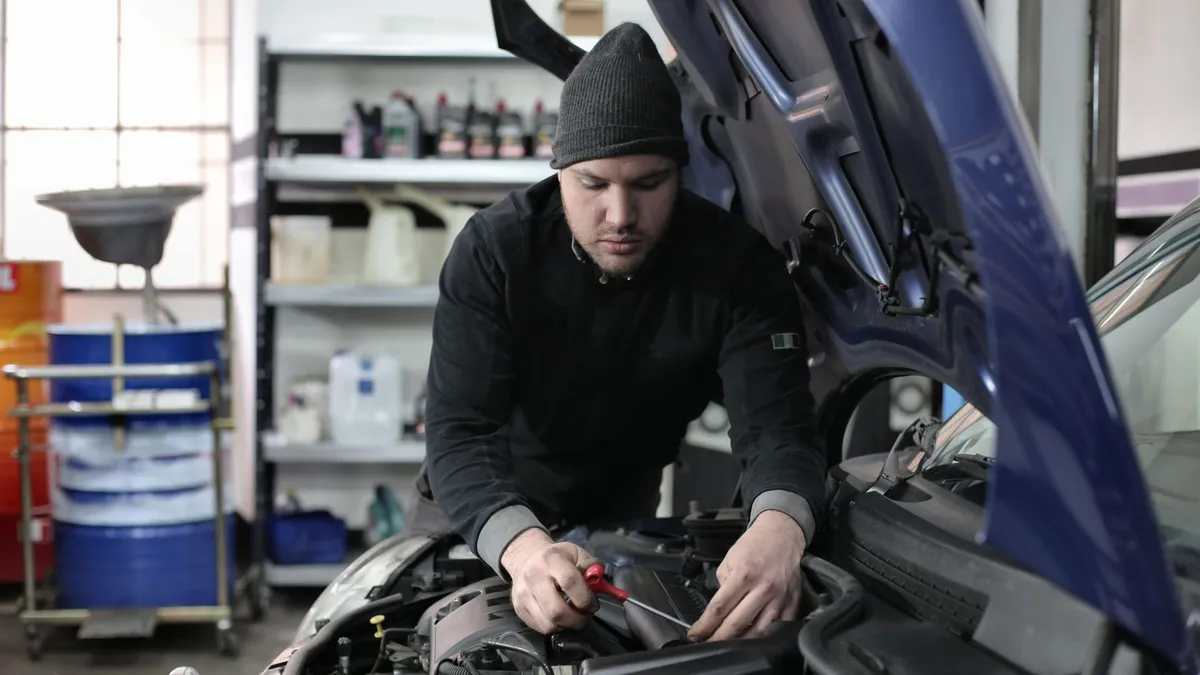
A warning light can turn a normal drive into a worrying moment. For example, a small amber symbol appears on the dashboard, and the driver wonders what it means. Similarly, a car may lose power, idle roughly, or refuse to start smoothly. Therefore, a clear guide helps a driver understand the next step. This guide explains how car diagnostic scan works in plain language, from the first connection to the final report. In addition, it shows what a scan can reveal and what it cannot prove. Finally, it explains why a fault code marks the start of diagnosis, not the end of it.
A diagnostic scan reads information from the electronic control systems of a car. For example, sensors watch engine speed, temperature, airflow, and exhaust gases during every drive. Similarly, control units compare sensor readings with expected values and store a record when a reading falls outside the expected range. Therefore, a scan tool can retrieve stored codes and live readings through a standard port. In addition, a trained technician can use that information to plan further checks. Finally, this guide follows that whole process in clear terms, with each stage explained in turn.
What Is a Car Diagnostic Scan?
A car diagnostic scan is a structured check of the electronic systems that manage a vehicle. For example, a technician connects a scan tool to a standard port and asks the control units for stored information. Similarly, the tool displays fault codes, live sensor readings, and system status in readable form. Therefore, the scan gives the technician a clear starting point for further work. In addition, the scan records what the vehicle itself has noticed during recent drives. Finally, that record helps separate a real fault from a passing glitch.
A scan is a test, not a repair, and that fact shapes how car diagnostic scan works in practice. For example, the tool can read a stored code, yet it cannot tighten a loose connection or replace a worn part. Similarly, a scan can show a sensor reading, yet it cannot judge the physical condition of a hose or a belt. Therefore, garages treat the scan as the first stage of diagnosis, not as a complete answer. In addition, a scan often leads to visual checks, measurements, and road tests. Finally, the value of a scan lies in the thinking that follows it.
How Does a Scan Tool Connect to a Car?
Every modern car carries a standard diagnostic socket, and the topic of OBD port location car describes where that socket sits in the cabin. For example, the socket often sits beneath the dashboard, close to the steering column, within easy reach of the driver seat. Similarly, some cars place the socket behind a small cover or beside the centre console, so the exact spot varies by model. Therefore, the vehicle handbook remains the reliable source for the precise location. In addition, a technician checks the socket for damage before connecting any tool. Finally, a clean and secure connection keeps the data flow steady during the scan.
The question of OBD2 scanner how it works has a simple answer at its core. For example, the scanner sends a request through the socket to the control units of the car. Similarly, each control unit answers with stored codes, live readings, and status information. Therefore, the scanner acts as a translator between the electronic systems and the technician. In addition, the tool turns raw signals into words, values, and graphs that a person can read. Finally, the technician studies that display and decides which checks should follow.
How Did On Board Diagnostics Develop?
Early onboard diagnostic systems varied widely from one maker to another. For example, each maker used a different connector, a different code list, and a different way of reporting faults. Similarly, a garage needed several tools to cover the cars that arrived for service. Therefore, diagnosis took longer, and results were harder to compare across different models. In addition, drivers had little chance to understand what a warning light meant. Finally, the lack of a shared standard made consistent testing difficult.
The contrast in OBD1 vs OBD2 diagnostics shows how the shared standard changed that picture. For example, the first generation covered mainly emissions systems, with maker specific connectors and code definitions. Similarly, the second generation brought a standard connector shape, shared code formats, and wider system coverage. Therefore, one tool could serve many different cars, and technicians could learn a single approach. In addition, the newer system monitors more parts of the vehicle, from the engine to the transmission. Finally, older cars may still need maker specific equipment, so the generation matters during any scan.
What Is a Diagnostic Trouble Code?
This guide gives a diagnostic trouble code DTC explained in plain language, with no specialist background needed. For example, a diagnostic trouble code is a short record that a control unit stores when a test fails or a reading leaves its expected range. Similarly, the code uses a fixed pattern of letters and characters, so the same pattern means the same thing on many different cars. Therefore, a technician can read the code and know which system reported the fault. In addition, the code stays in memory until a technician clears it after repair. Finally, the code alone never names the failed part.
A code passes through stages before it becomes a firm record. For example, a control unit may store a pending code after a single failed test during one drive. Similarly, the same fault must appear again during a later drive before the code becomes confirmed. Therefore, a pending code signals a possible fault, while a confirmed code signals a repeated fault. In addition, the warning light often appears only when a code reaches the confirmed stage. Finally, this staging stops a single stray reading from triggering a lasting alarm.
What Do the Fault Code Letters Mean?
The topic of car fault code categories P C B U explained starts with the first letter of every code. For example, the letter P points to the powertrain, which covers the engine, the transmission, and the exhaust system. Similarly, the letter B points to the body, which covers airbags, climate control, and interior systems. Therefore, the first letter alone narrows the search to one broad area of the car. In addition, the letter C points to the chassis, which covers braking, steering, and suspension. Finally, the letter U points to the network, which covers communication between control units.
The later characters of a code narrow the fault still further. For example, the second character shows whether the code follows a shared standard or a maker specific definition. Similarly, the remaining characters point to a subsystem, such as fuel delivery, ignition, or emissions control. Therefore, a full code reads like an address, with each character adding detail. In addition, two codes can share the same first letter yet describe very different faults. Finally, the code structure helps a technician choose the right system to test next.
What Is Live Data?
The phrase live data car diagnostics explained describes a stream of readings taken while the engine runs. For example, a scan tool can show engine speed, coolant temperature, throttle position, and airflow as they change from moment to moment. Similarly, the technician can watch those values rise and fall during idle, acceleration, and steady cruising. Therefore, live data turns a static code into a moving picture of the car at work. In addition, a reading that looks normal at rest may behave oddly under load. Finally, that contrast often points toward the true fault.
Good use of car sensor data diagnostics explained depends on comparison, not on single values. For example, a technician compares readings from related sensors to see whether they agree with each other. Similarly, a fuel reading that drifts away from the expected range may suggest a leak, a blockage, or a tired sensor. Therefore, the pattern across several readings matters more than any single reading on its own. In addition, the technician can record the stream and study it after a road test. Finally, careful comparison keeps guesswork out of the diagnostic process.
What Is Freeze Frame Data?
The phrase freeze frame data car fault describes a snapshot that the control unit saves when a code is set. For example, the snapshot can include engine speed, vehicle speed, engine load, coolant temperature, and fuel readings at that exact moment. Similarly, the snapshot shows whether the fault appeared at idle, during acceleration, or at steady cruising speed. Therefore, freeze frame data gives the technician the context that a bare code cannot provide. In addition, the snapshot helps the technician reproduce the conditions that triggered the fault. Finally, a careful reading of the snapshot often saves time during later tests.
Freeze frame data has clear limits that a driver should understand. For example, the control unit usually keeps only one snapshot for each code, and a later event can replace an earlier one. Similarly, the snapshot covers mainly powertrain codes, while body and chassis codes rarely carry the same detail. Therefore, the snapshot is a clue, not a complete record of the fault. In addition, clearing a code also erases the snapshot, so a technician should study it before any reset. Finally, a lost snapshot cannot be recovered, which makes careful handling essential.
How Does a Basic Reader Differ From a Professional Tool?
The comparison of fault code reader vs professional scan tool starts with the range of access. For example, a basic reader can show stored codes and clear them, which suits a quick check of a warning light. Similarly, a professional tool can reach many more control units, from braking and airbags to climate and body systems. Therefore, the professional tool sees faults that a basic reader cannot reach at all. In addition, the professional tool can display live data, freeze frame records, and system status in greater depth. Finally, that wider view supports a fuller diagnosis.
The deeper difference lies in the tests that each tool can run. For example, a professional tool can command a component to act, so a technician can watch the response in live data. Similarly, the tool can guide the technician through maker specific checks that a basic reader never offers. Therefore, the professional tool supports active testing, while the basic reader supports reading alone. In addition, the professional tool needs training and regular data updates to stay useful. Finally, the choice of tool shapes the quality of the whole diagnostic process.
What Can a Scan Show and What Can It Not Show?
The topic of diagnostic scan what it can and cannot show deserves a clear answer before any visit to a garage. For example, a scan can show stored codes, pending codes, live sensor readings, and the status of self tests. Similarly, a scan can show freeze frame snapshots and the readiness of emissions systems. Therefore, a scan gives a detailed view of the electronic life of a car. In addition, a scan can confirm whether a repair has cleared a fault after a road test. Finally, that confirmation helps the technician close the job with confidence.
The limits of a scan matter just as much as its strengths. For example, a scan cannot see a cracked hose, a worn belt, or a leaking joint directly. Similarly, a scan cannot measure mechanical wear or judge the condition of a physical part by touch. Therefore, a clean scan never proves that a car is free of faults. In addition, some faults live outside the monitored systems, so the scan stays silent about them. Finally, visual inspection and physical testing remain essential partners of every scan.
What Happens When the Check Engine Light Comes On?
The check engine light diagnostic scan process begins with the light itself, which warns the driver that a control unit has stored a fault. For example, a steady light usually means that the car needs attention soon, while a flashing light means that the driver should stop driving and seek help promptly. Similarly, the car may also show rough idling, reduced power, or unusual sounds alongside the light. Therefore, the driver should note the symptoms and the driving conditions before the visit. In addition, that note helps the technician connect the code to real behaviour on the road. Finally, a calm and clear account saves time at the garage.
The scan itself follows a simple order once the car reaches the garage. For example, the technician connects the tool, reads the stored codes, and studies the freeze frame snapshot. Similarly, the technician checks live data and looks for related codes that may share a common cause. Therefore, the scan builds a picture before any part is touched. In addition, the technician should not clear the codes before studying them, since clearing erases useful evidence. Finally, the scan report becomes the basis for the checks that follow.
What Does a Garage Do During a Diagnostic Test?
The garage diagnostic test process explained in this section follows a clear order from arrival to report. For example, the technician first listens to the driver account of symptoms, sounds, and recent changes. Similarly, the technician then runs a full scan and records every code, snapshot, and live reading. Therefore, the early stages gather facts before anyone forms a theory. In addition, the technician inspects the relevant area of the car for visible damage, leaks, or loose connections. Finally, the findings from the scan and the visual check shape the next tests.
A garage visit often includes more than the scan alone, and a full garage vehicle inspection can reveal faults that electronics never record. For example, the technician may take the car for a road test to reproduce the fault under real driving conditions. Similarly, the technician may log live data during the drive and compare it with the freeze frame snapshot. Therefore, the road test links the electronic record to the physical behaviour of the car. In addition, the technician records each result so the next step rests on evidence. Finally, the written record protects both the driver and the garage from guesswork.
Why Is a Fault Code Not a Diagnosis?
The point of why a fault code is not a diagnosis sits at the heart of this guide. For example, a code points to a circuit or a system, yet it never proves which part has failed. Similarly, one code can arise from several different causes, from a tired sensor to damaged wiring or a leak. Therefore, replacing the part named in a code definition can leave the real fault untouched. In addition, the code definition describes a test result, not a repair instruction. Finally, a careful technician treats the code as a question, not as an answer.
A single example shows the risk of jumping to conclusions. For example, a code about an oxygen sensor may reflect a sensor fault, a wiring fault, an exhaust leak, or a fuel delivery issue. Similarly, each of those causes would need a different repair, so a guess could waste time and effort. Therefore, the technician must test the circuit, inspect the wiring, and compare live readings before choosing a repair. In addition, that testing separates the true cause from the many possible causes. Finally, the extra care protects the driver from paying for a part that was never faulty.
What Checks Come Before Any Repair?
The idea of diagnostic scan before repair explained covers the work that turns a code into a sound decision. For example, the technician first confirms that the code is still present and studies the freeze frame snapshot. Similarly, the technician then checks live data, inspects wiring and connections, and tests the suspect component directly. Therefore, each check either supports the theory or rules it out. In addition, the technician may consult technical guidance for the specific system before acting. Finally, the repair starts only when the evidence points clearly to one cause.
Clear communication matters as much as careful testing at this stage. For example, the technician should explain the findings, the next check, and the reason for it in plain language. Similarly, the driver should receive a clear account of what the garage has found so far, and a garage repair quote should reflect the agreed work, not guesswork. Therefore, the driver can approve the repair with a real understanding of the evidence. In addition, a written record of the checks helps if the fault returns later. Finally, good records turn a single visit into lasting knowledge about the car.
How Does Sensor Data Help Narrow a Fault?
Sensor data narrows a fault by showing how systems behave together over time. For example, a technician can graph several readings side by side and watch for a value that moves out of step with the rest. Similarly, a sudden drop in one reading while the others stay steady can point to a single circuit. Therefore, the relationship between readings often reveals more than any reading alone. In addition, the technician can compare the live stream with the freeze frame snapshot from the moment of the fault. Finally, agreement between the two records strengthens the case for a particular cause.
Faults that come and go need patient data work, and a guide to how mechanics find intermittent car faults shows why such cases take longer. For example, a technician may log data during a long road test to catch a fault that appears only under certain conditions. Similarly, the log may reveal a pattern linked to temperature, load, or speed that a short scan would miss. Therefore, data logging turns a rare event into a record that can be studied calmly. In addition, the technician can repeat the test after repair to confirm that the pattern has gone. Finally, that confirmation closes the loop between code, cause, and cure.
How Do You Read a Diagnostic Scan Report?
The topic of diagnostic scan report explained covers the document that a driver receives after a scan. For example, a good report lists each stored code with a plain definition, the freeze frame snapshot, and notes from live data. Similarly, the report should state which checks the technician has already run and which checks should follow. Therefore, the report reads as a story of the investigation, not as a bare list of codes. In addition, the report may note advisories for items that need watching rather than immediate repair. Finally, a clear report lets the driver understand the state of the car at a glance.
Some lines on a report need careful reading, and learning how to read a garage invoice helps a driver connect the report to the final bill. For example, a pending code differs from a confirmed code, and the report should mark that difference clearly. Similarly, a note that says further testing is needed means that the diagnosis is still open. Therefore, the driver should ask what each line means before approving more work. In addition, the driver should keep the report with the service records of the car. Finally, a kept report helps the next technician start from facts rather than from scratch.
Why Do Some Faults Refuse to Appear During a Scan?
Some faults hide because they depend on conditions that a short scan cannot reproduce. For example, a fault may appear only when the engine is cold, only when it is fully warm, or only under heavy load. Similarly, a loose connection may fail only when vibration reaches a certain level on a rough road. Therefore, a scan taken at rest can show no active code even though the driver has felt the fault many times. In addition, the control unit may store a history code that points to the earlier event. Finally, history codes and freeze frame records become the main clues in such cases.
Patience and method matter more than speed when a fault refuses to appear. For example, the technician may ask the driver for a detailed account of when the fault happens and what the car does at that moment. Similarly, the technician may plan a road test that recreates the reported conditions as closely as possible. Therefore, the driver account becomes a vital part of the diagnostic evidence. In addition, the technician may log data over a longer drive to catch the fault in the act. Finally, a fault that is caught once can be tested, repaired, and verified with confidence.
What Should a Driver Ask After a Scan?
A driver should leave the garage with a clear picture of what the scan found. For example, the driver can ask which codes are stored, what each code means, and which checks should follow. Similarly, the driver can ask what evidence supports the next step and what else the technician has ruled out. Therefore, good questions turn a technical report into useful knowledge. In addition, the driver can ask whether the fault needs urgent attention or careful monitoring. Finally, a clear answer helps the driver plan the next visit without worry.
Records and choices matter after the scan as well as during it. For example, the driver should keep the scan report with the car service history record so future work builds on known facts. Similarly, the driver can ask how the garage type affects the next step, since a dealer, independent garage or specialist workshop may hold different tools and data for the same car. Therefore, the choice of garage should rest on the needs of the car and the evidence of the scan. In addition, a driver who understands the report can compare advice from different garages fairly. Finally, an informed driver makes better decisions about the car.
How Does a Scan Fit Into Regular Car Care?
A diagnostic scan fits naturally into routine service and inspection. For example, a scan during a service can reveal a pending code before it becomes a warning light. Similarly, a scan after a repair can confirm that the fault has cleared and the systems behave normally. Therefore, regular scans catch small issues while they are still easy to address. In addition, modern cars rely on software as much as on mechanical parts, so a vehicle software update may form part of the care plan. Finally, a scan keeps the electronic health of the car in step with its mechanical health.
The main lesson of this guide is simple and worth repeating. For example, a scan opens a window into the electronic systems of a car, yet it never delivers a verdict on its own. Similarly, codes, live data, and freeze frame records guide the technician, while visual checks, road tests, and measurements complete the picture. Therefore, the scan works best as the start of a careful process, not as a shortcut to a repair. In addition, a driver who understands the scan can ask better questions and judge advice more fairly. Finally, that shared understanding shows how car diagnostic scan works as a process, not as a single test.